

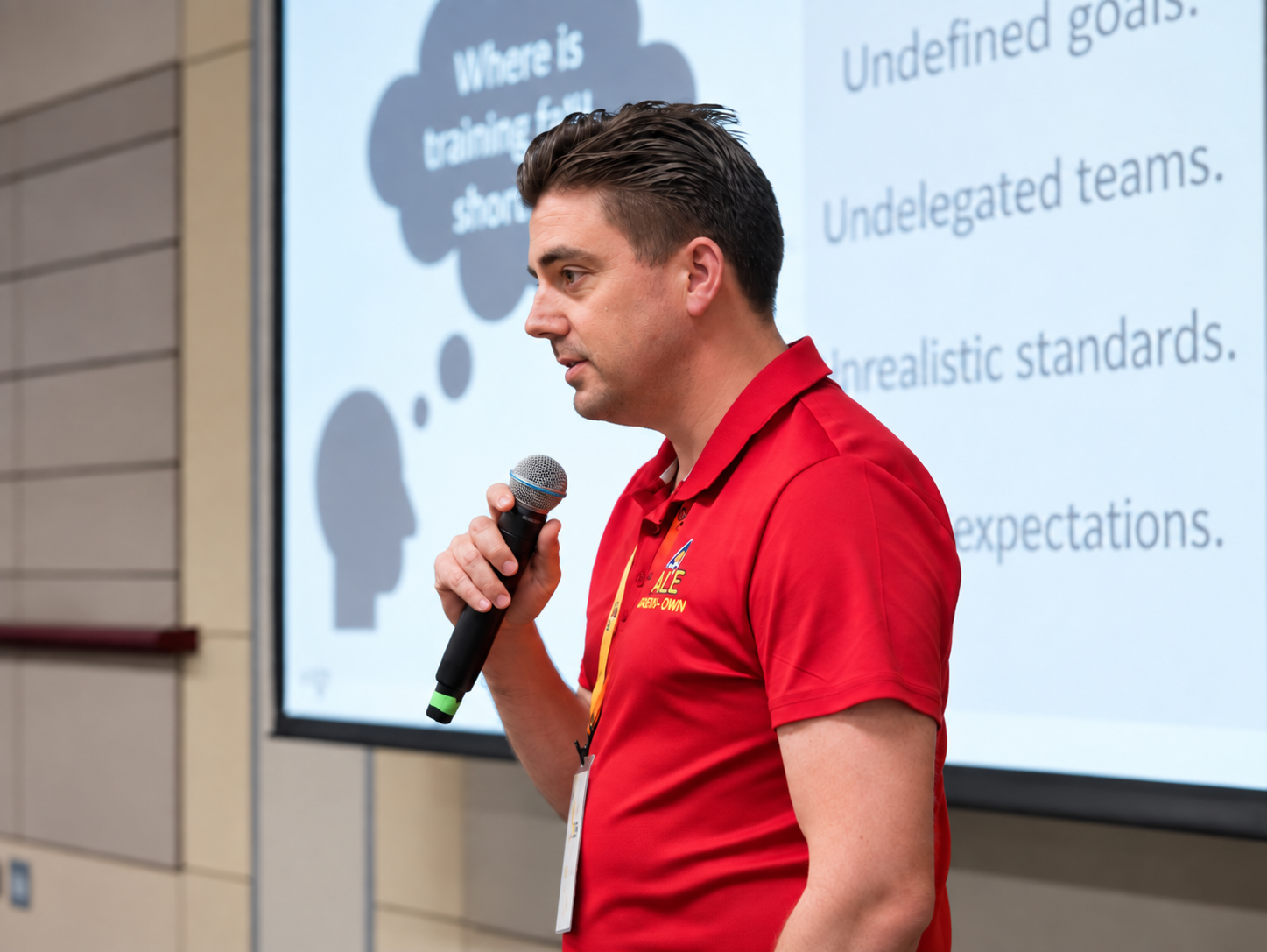
Employee training is most useful when employees understand not just what they need to learn, but what they are expected to accomplish with that knowledge. That means connecting training to defined business goals, measurable behaviors, regular feedback, and opportunities to adjust along the way.
During Developing Talent Who Drive Operational Results at RTO World 2026, Ace Furniture & TV Inc. dba Ace Rent-To-Own Director of Education Ryan Boege and President Ben Leach shared how their company approaches that process. Their framework centers on a continuous improvement model that moves through goal setting, training, feedback, and intervention, and then back to evaluating whether the original goal or approach needs to change.
Rent-to-Own Employee Training Starts With the Goal
Leach and Boege encouraged attendees to begin with the outcome they want and work backward to identify what employees need to do to achieve it. Their backward design approach starts by defining the goal, then establishing the practices and procedures, employee behaviors, leadership support, interventions, and measurements needed to reach it.
The approach also requires leaders to define what successful performance actually looks like. Terms such as “good salesmanship” or “solid collection practices” can mean different things to different employees unless leaders clearly explain expectations.
The speakers recommended creating what Boege described as a “transparent invitation” for employees to understand what success looks like in their store.
That clarity gives employees a better opportunity to assess their own progress rather than waiting for a manager to tell them whether they are succeeding.
Train for Performance, Not Just Knowledge
Setting a goal is only the beginning. Employees also need the skills, resources, and support to perform against the standards they have been given.
Leach summarized that responsibility with a leadership principle: “Holding your team able before you hold them accountable.” Before addressing an employee’s performance, leaders should consider whether that person understands the job, has received sufficient training, and knows what is expected.
That distinction matters especially when developing new employees. The session emphasized intentional training with dedicated time, clear content, responsible trainers, checks for understanding, and continued reinforcement. Training should also connect directly to the goals the organization is trying to accomplish.
Experienced employees are not exempt. Leach and Boege described training as cyclical, with refreshers helping experienced team members revisit skills or expectations that may have faded over time.
Make Feedback Specific and Actionable
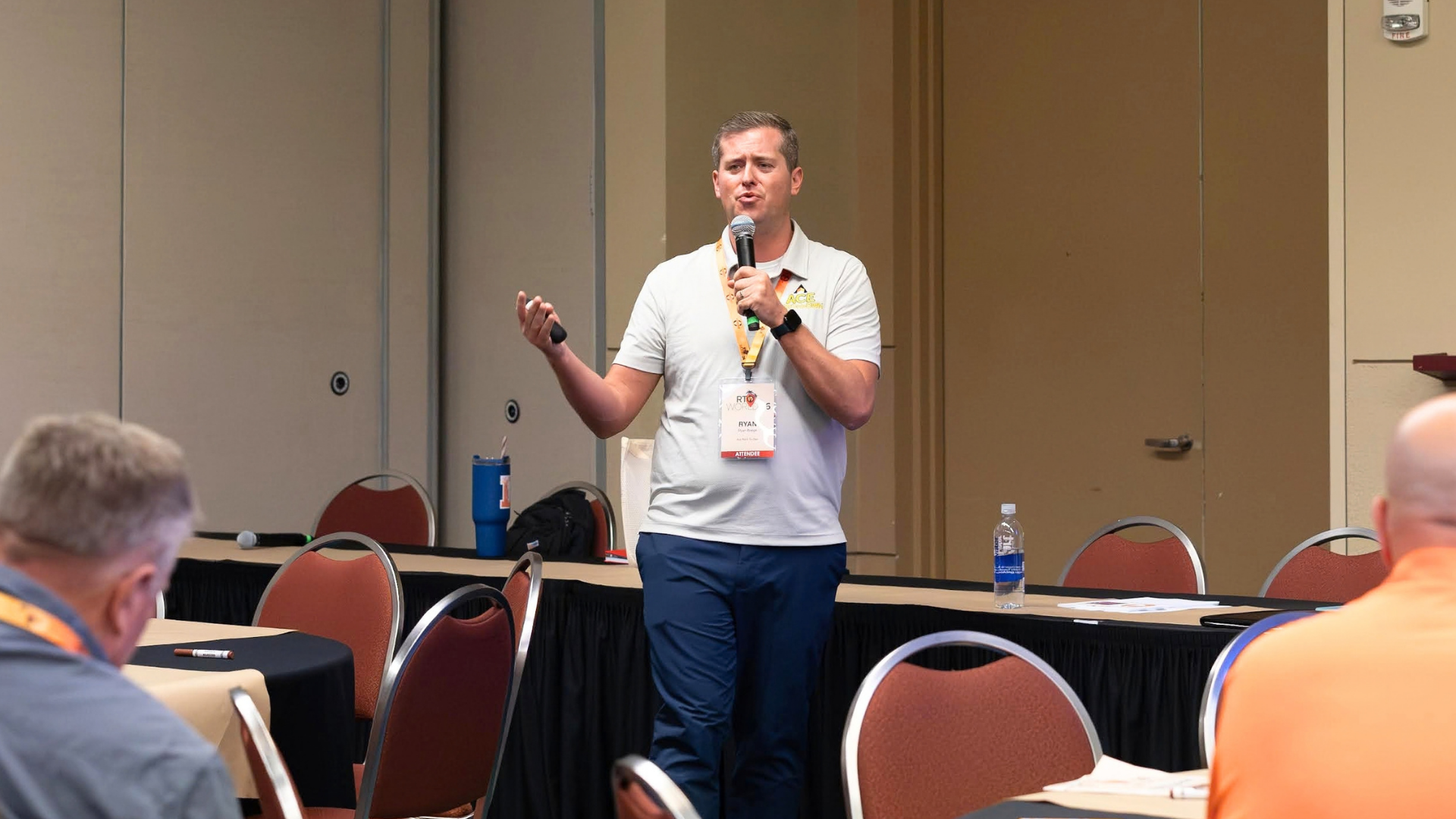
Feedback is another part of the continuous improvement cycle. The presenters recommended making it timely, specific, predictable, and actionable.
Rather than simply telling someone to “keep doing what you’re doing,” leaders can identify the specific behavior producing a good result. Similarly, when performance falls short, feedback should tell employees what they can do differently.
The session also emphasized recognizing employees when they are doing things well. Specific praise helps employees understand which behaviors to repeat, while predictable feedback makes coaching a normal part of work rather than something employees encounter only when a problem develops.
Data can support those conversations. Leach and Boege shared examples of using performance information to show employees where they stand against established goals and to identify when additional coaching or intervention is needed.
Revisit the Goal and Be Ready to Adjust
Continuous improvement also requires leaders to evaluate whether the plan is producing the intended result. Sometimes the right decision is to stay the course. Other times, the goal, training, measurement, or approach needs to change.
Leach offered an example from his own company in which a strong focus on increasing potential rent produced progress toward that goal while collections began to slip. Employees responded to what leadership emphasized, showing why managers need to monitor the broader effects of the goals they set.
That cycle of setting goals, training, measuring, coaching, and adjusting also depends on leadership throughout the organization. Near the end of the session, Leach emphasized that training cannot belong to one designated trainer. Store managers and other leaders closest to employees must also be equipped to coach, provide feedback, and reinforce expectations.
For rent-to-own leaders, the session offered a practical way to connect employee development with operational priorities: define where the business needs to go, make the path clear, give employees the skills to follow it, measure progress, and keep refining the approach.
APRO members can watch the full Developing Talent Who Drive Operational Results session replay for more examples from Leach and Boege’s presentation at RTO World 2026.
About Ace Furniture & TV Inc. dba Ace Rent-To-Own
Ace Furniture & TV Inc. dba Ace Rent-To-Own is a rent-to-own company serving communities throughout Nebraska and Iowa. Founded in 1982, the company offers furniture, appliances, electronics, computers, mattresses, tires, jewelry, and other home essentials through flexible rental-purchase options. Ace Rent-To-Own has been an APRO member since 1982.

