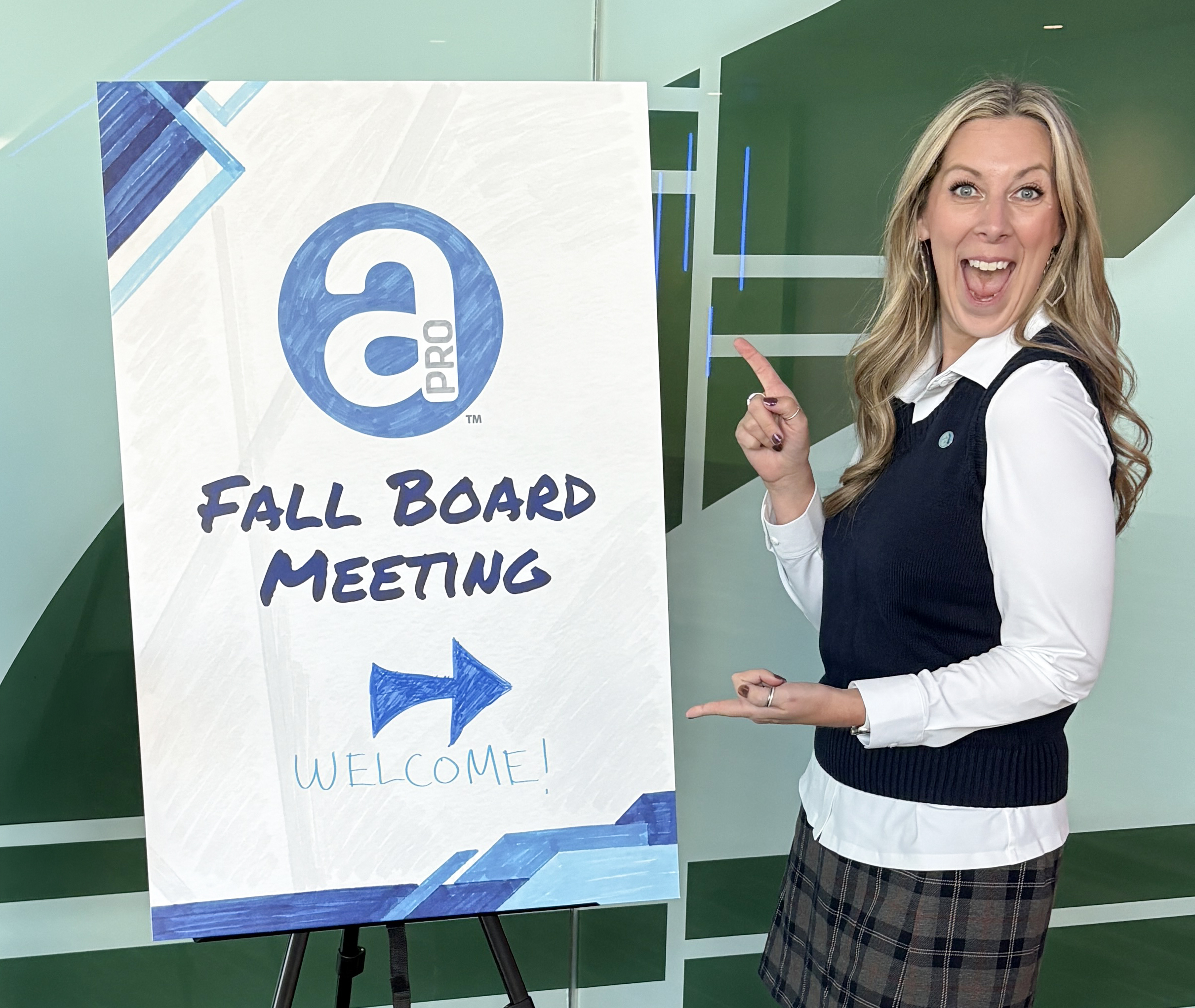
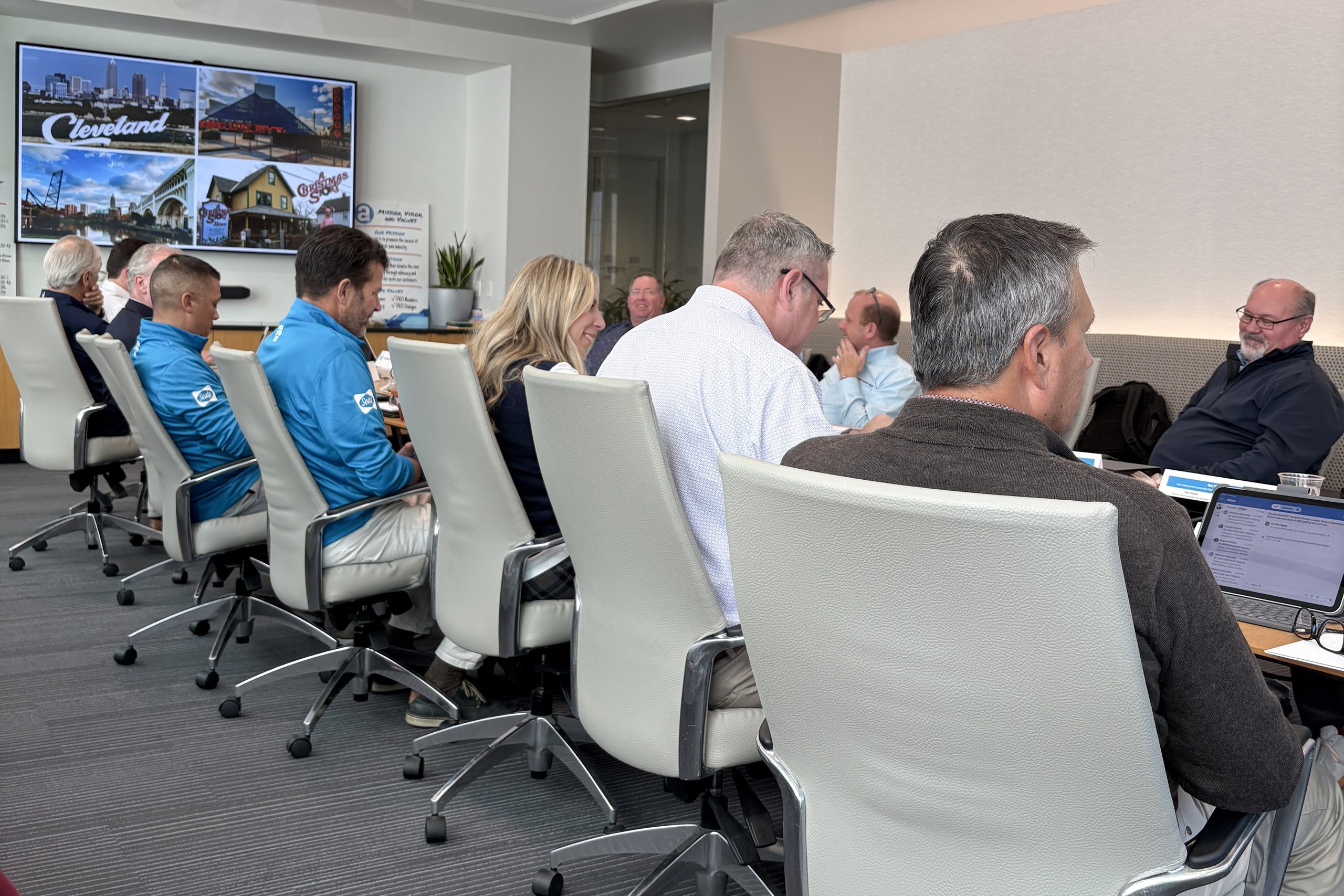
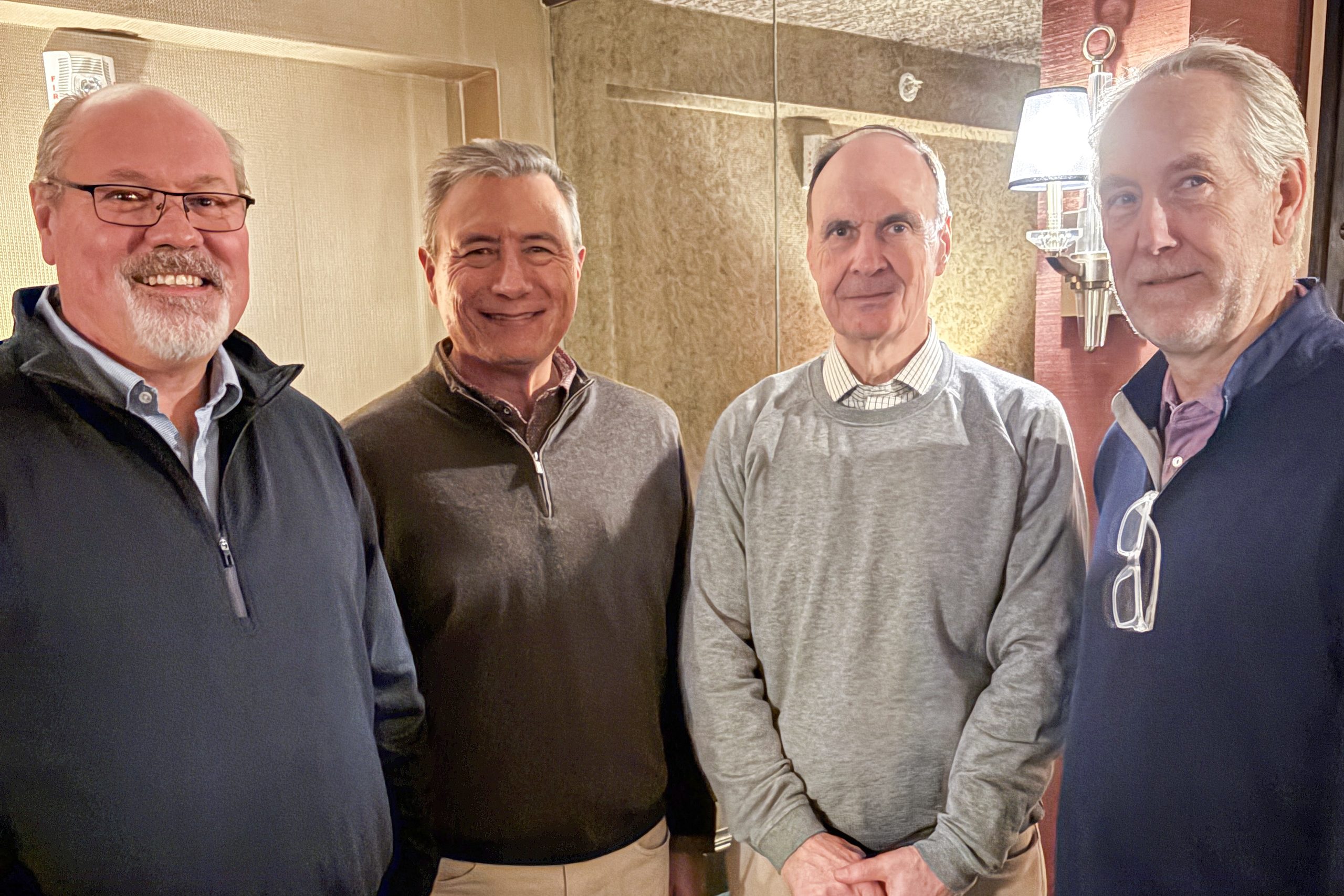
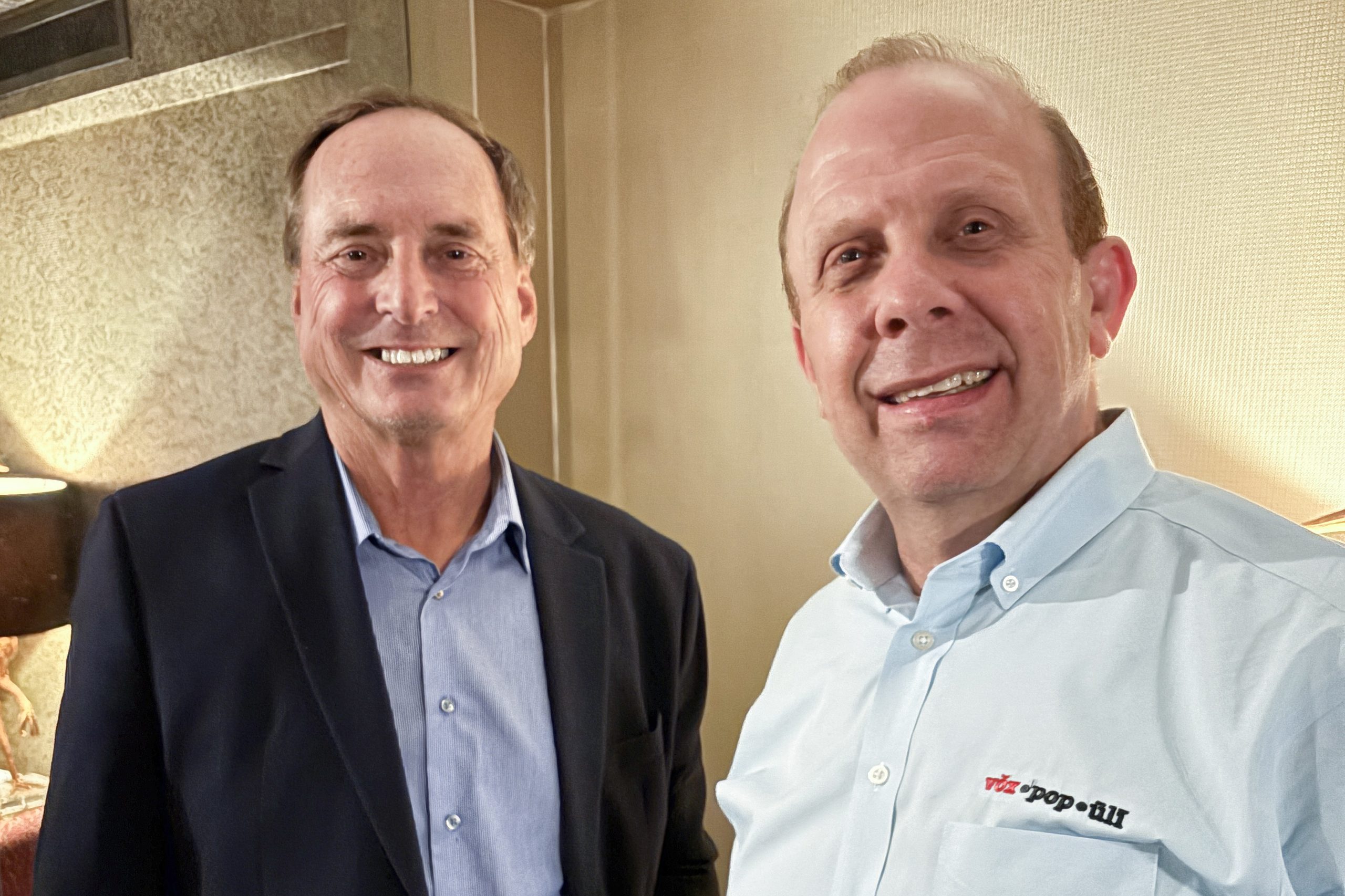
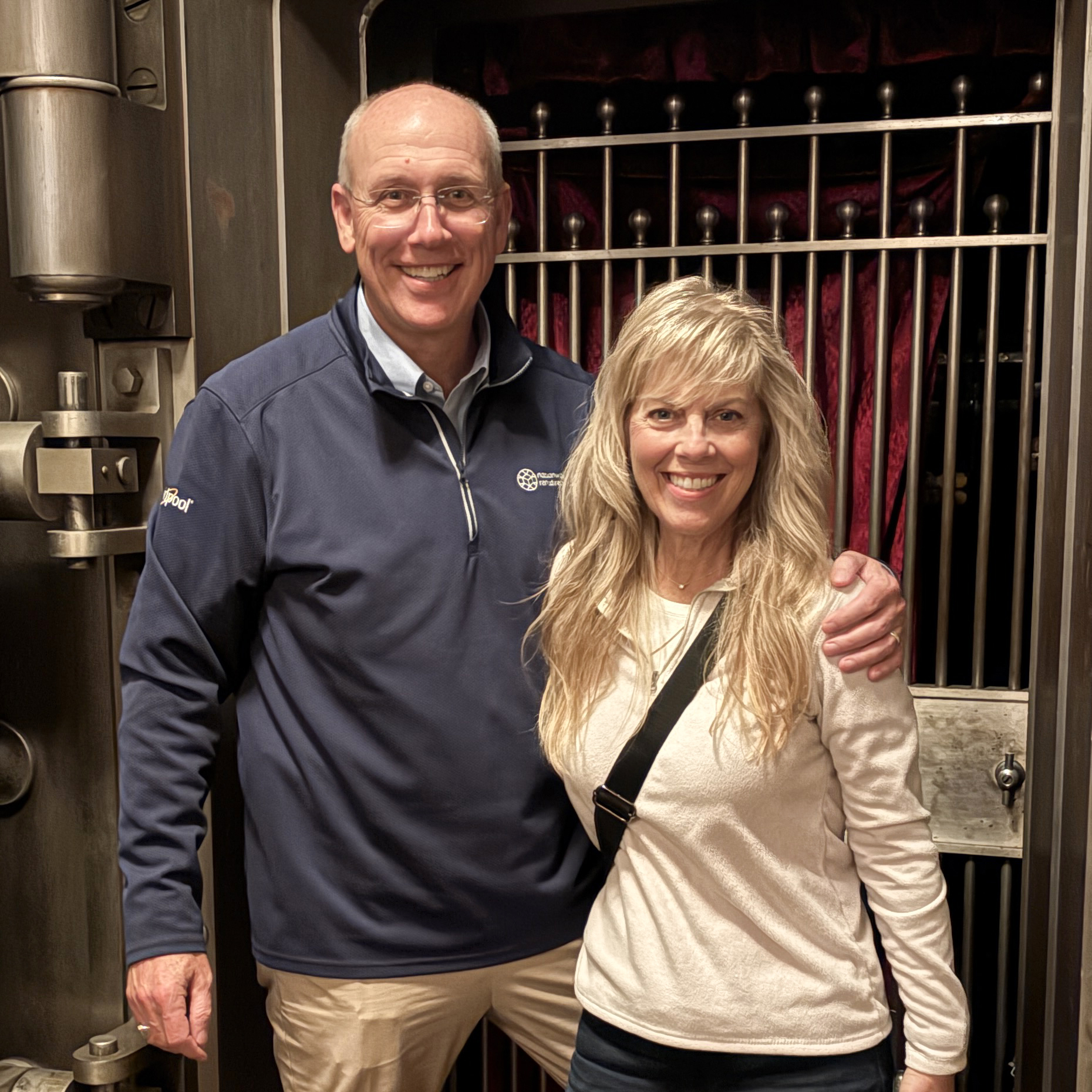
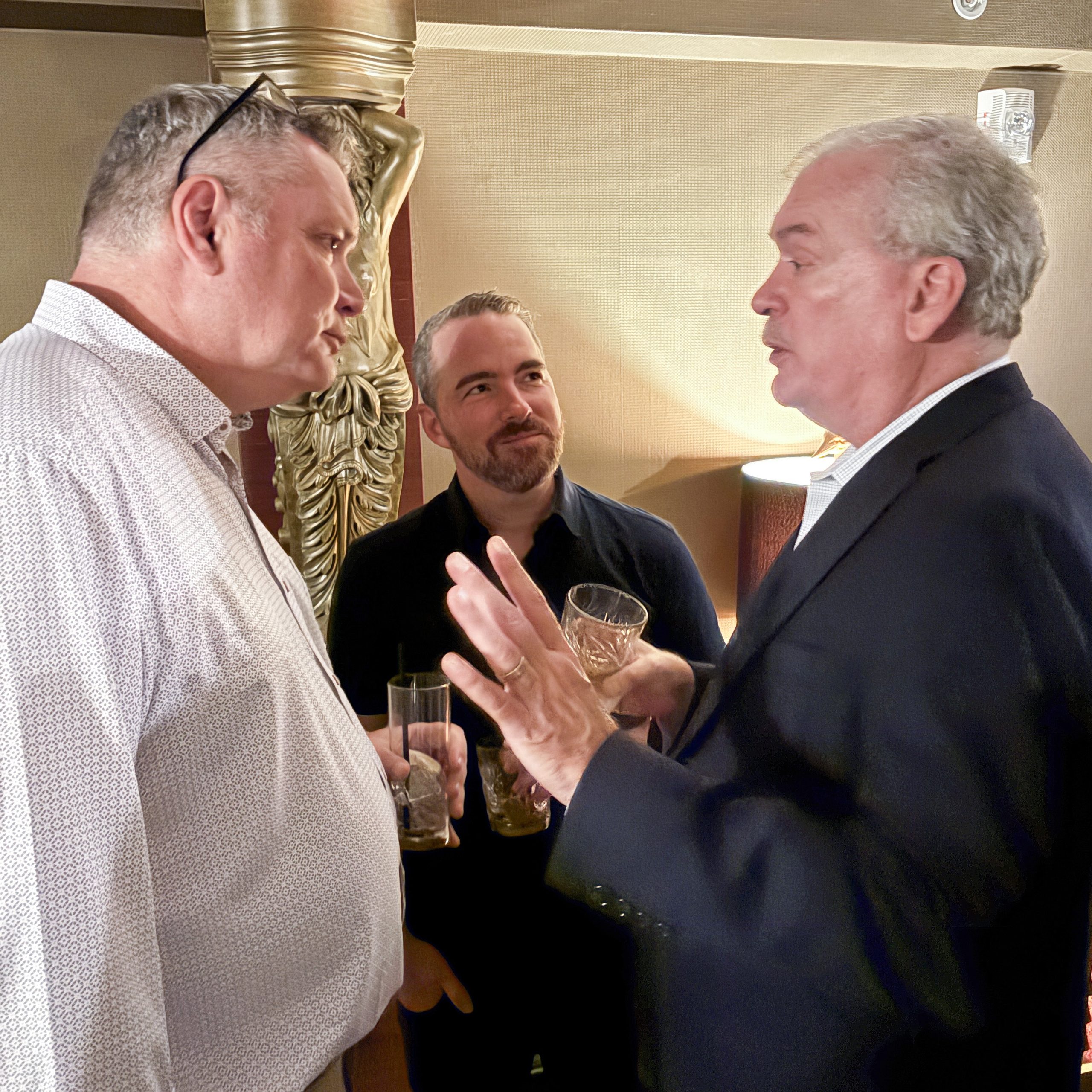
APRO’s Board of Directors met in Cleveland, Ohio, on October 22–23, where it formally closed the 2025–2027 Strategic Plan more than a year ahead of schedule. With the plan’s work substantially complete, the Board spent much of the meeting on what comes next: a new planning model that looks one, three, and ten years ahead.
A Plan Finished Early
The 2025–2027 plan set three goals, Elevate, Enhance, and Empower, and 12 high-level priorities. Within about 22 months, staff and volunteers had completed each or built it into APRO’s ongoing work. Highlights include the launch of APRO’s RTO Ready ten-course education series designed for new hires, the launch of the APRO Community online message and engagement platform, stronger Board and committee practices, the introduction of APRO’s 50 State Lease Agreement library resource, and APRO’s award-winning GEO-optimized Rent-to-Own 101 Knowledge Base project. The GEO work built an enduring structure to enhance public perception of RTO industry resources that AI platforms now draw on when answering questions about rent-to-own.
Closing the plan does not end that work. Meetings, education, advocacy, mentoring, and GEO monitoring all continue as part of APRO’s regular operations.
“We finished the plan early because the industry moved fast and our members moved with it,” said APRO CEO Charles Smitherman. “The question now is not what to finish, but how to build on what we have accomplished and leverage this foundation to benefit our APRO membership, enhancing member value and belonging.”
A New Way to Plan: 1-3-10
Rather than write another fixed three-year project list, the Board adopted a rolling model that it will review and renew every year:
- One year: specific initiatives, responsibilities, and resources for the coming year
- Three years: the direction those annual plans build toward
- Ten years: a picture of the industry APRO wants to help build by 2037
AI is changing search, shopping, and business operations faster than a fixed multi-year plan can keep up with. The 1-3-10 model keeps APRO’s direction steady while letting the association speed up, adjust or stop work as conditions change.
Each horizon does a different job. The one-year plan is a commitment: specific work and projects aimed for timely delivery. The three-year direction is an aiming point that guides each year’s choices without locking in tactics too far ahead. The ten-year horizon makes foresight a standing practice, so APRO can see change coming and be proactive rather than react to it.

Looking Ahead to 2037
The Board opened its planning session with foresight, a practice of examining the forces already reshaping the industry before deciding where to go. Directors worked through drivers of change ranging from AI assistants that shop on a customer’s behalf, to the shift from ownership toward access, to falling public trust in institutions. They then described the rent-to-own industry they want to see in 2037.
On Friday, the Board approved the 2027 budget, which funds the first year of the new plan. Details on the 2027 initiatives will follow in an upcoming issue.
Committee Business
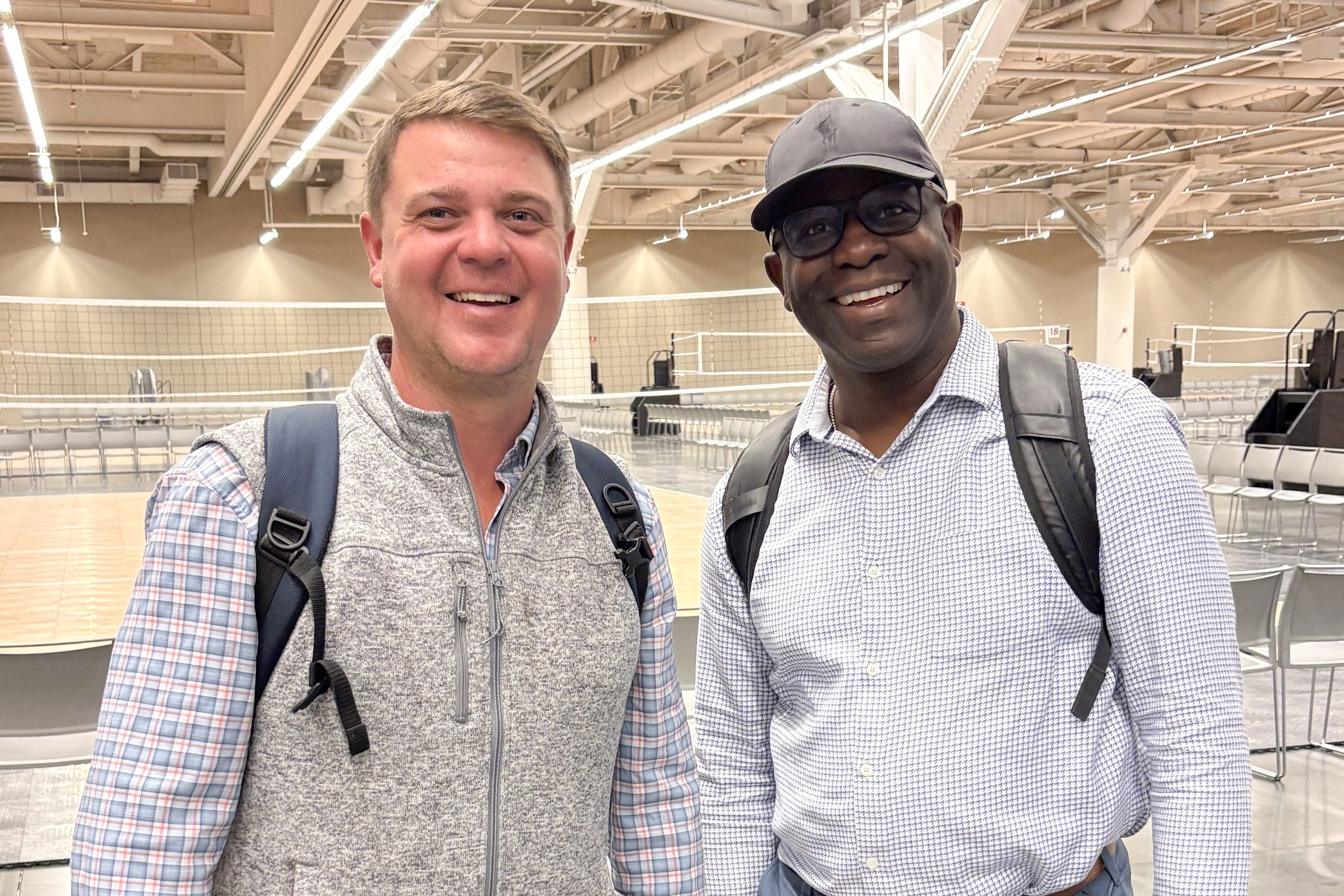
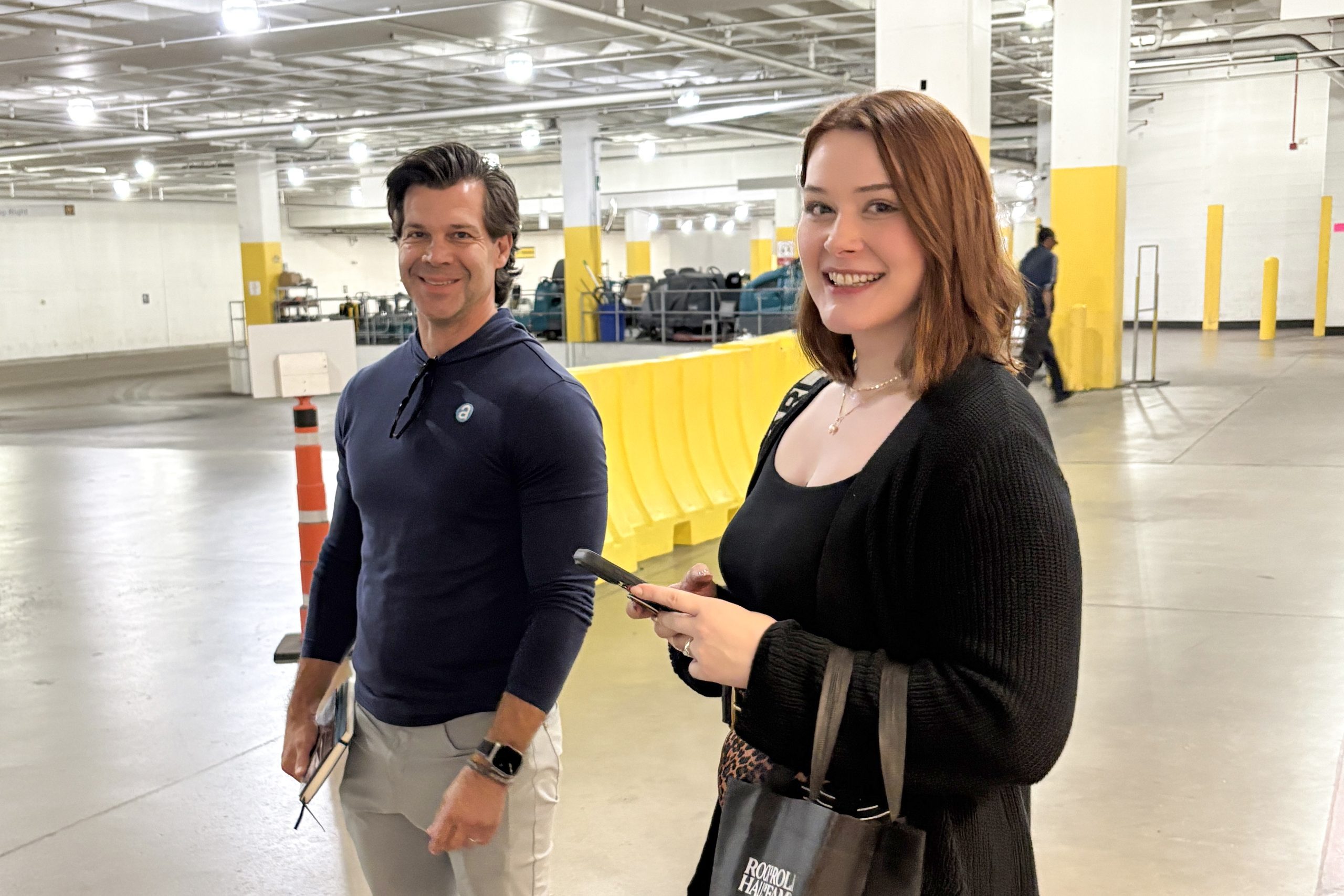
The Executive Committee and the Government Relations Committee also met as part of the board meeting. The Vendor Advisory Committee met Thursday afternoon and Friday morning; see “Vendors Bring Big Ideas to Cleveland” in this issue. Board members also toured the meeting rooms and expo hall space at the Huntington Cleveland Convention Center, site of RTO World 2027. The walk-through gave directors a first look at the space where dealers, vendors, and industry leaders will gather next year, and a chance to start thinking about how RTO World 2027 can make the most of it.