

Furniture shoppers are changing how they discover products, evaluate value, and decide where to do business. For rent-to-own (RTO) retailers, those shifts create reasons to reconsider how stores attract customers, select merchandise, communicate value, and use new technology.
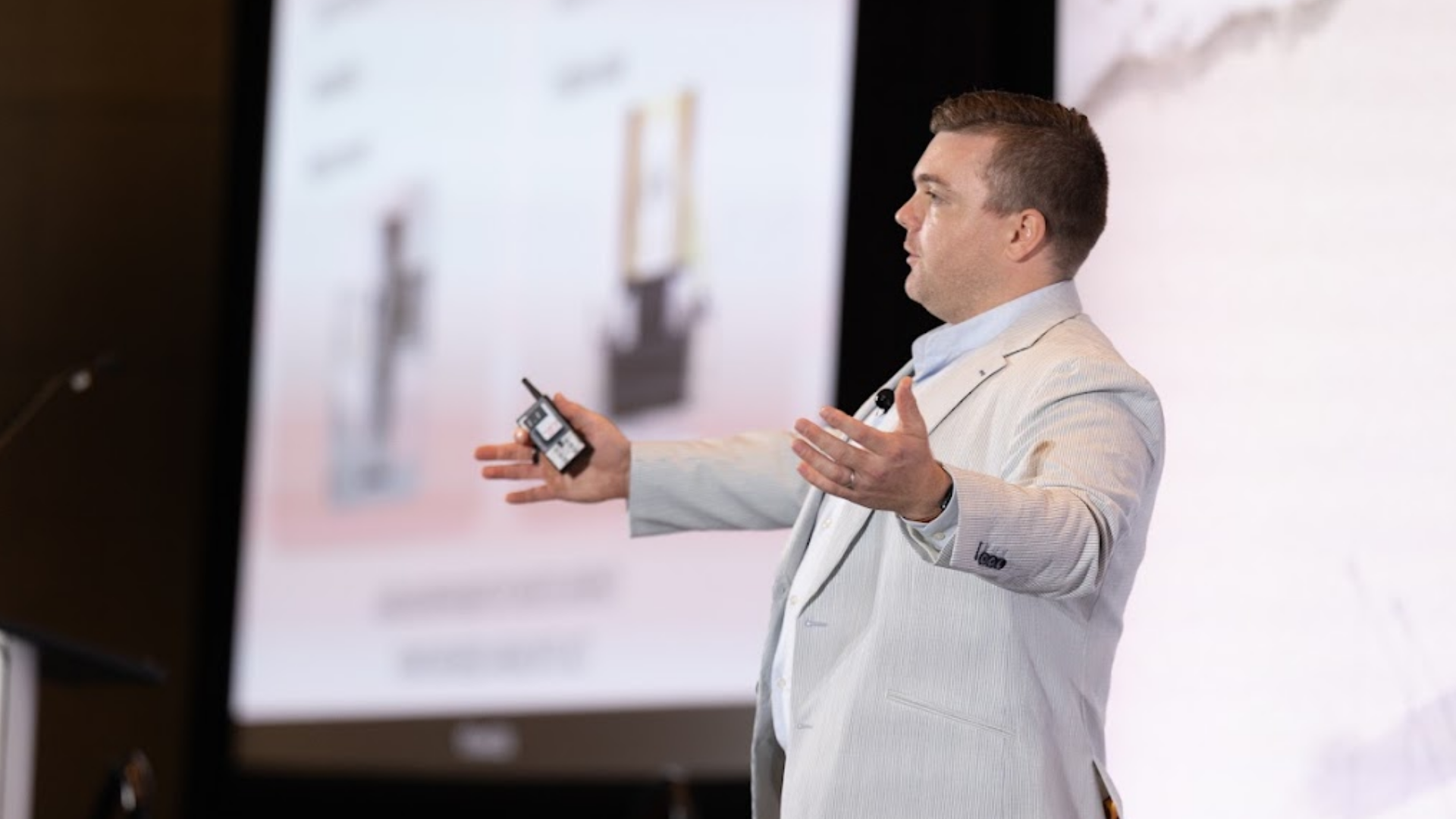
During Early Light Insights From Titanium Sponsor: Ashley Furniture Industries at RTO World 2026, Chase Pitman, Senior Director of Sales for National Rental Accounts at Ashley Furniture Industries, shared what Ashley is seeing across the furniture market and how those developments may affect RTO retailers. His presentation covered changing customer expectations, digital discovery, product features, artificial intelligence (AI), and operational considerations for furniture retailers.
Rent-to-Own Furniture Trends Start With the Shopper
Pitman described a furniture market that Ashley sees as stabilizing after the pandemic-era surge and subsequent correction. At the same time, he said the recovery remains uneven, with customers continuing to pay close attention to price and value.
For RTO businesses, Pitman pointed to opportunities beyond the industry’s established customer base. He described what Ashley considers a “rent-to-own curious shopper,” someone who may not have previously used RTO but is interested in value, flexibility, manageable payments, and easier access to needed products. He also discussed younger, more mobile households that are accustomed to digital services and access-based models.
Pitman’s message was not to lose sight of existing customers, but to consider how the RTO model might also appeal to shoppers who have not traditionally considered it.
Being Found Is Part of Being Chosen
As shopping behavior changes, Pitman encouraged rent-to-own retailers to pay closer attention to their digital presence. Customers increasingly research furniture before entering a store, making accurate websites, business listings, photos, reviews, and clear explanations of rental options important parts of the discovery process.
AI is becoming another part of that process. Pitman described consumers using AI tools to research businesses and products and discussed ways retailers can experiment with the same technology internally.
He shared one example from his own work in which he used an AI tool to research the mattress category, review a customer’s existing assortment, and develop possible product recommendations. Pitman said the process reduced a task that would ordinarily take days to a matter of hours.
For RTO dealers, the broader lesson was practical: emerging tools can assist with research, analysis, content creation, training, and product selection, but their usefulness depends on how they are incorporated into everyday work.
Give Customers a Reason to See the Value
Getting customers through the door is only one part of the equation. Pitman said Ashley is also seeing interest in products that offer a noticeable step up in quality or functionality, as long as customers understand the value behind the higher price.
That can mean features customers can easily experience or recognize, including improved fabrics and cushions, power reclining, heat and massage, and other functional upgrades.
For rent-to-own dealers, product durability and serviceability can be particularly relevant. Pitman discussed Ashley’s efforts to make furniture easier to maintain through replaceable components and other design choices that can help products remain serviceable across multiple rental cycles.
Prepare for What Comes Next
Pitman also previewed ways Ashley is incorporating technology into its own operations and resources. These include tools intended to help customers visualize furniture in their rooms, identify comparable Ashley products from an image, and make product recommendations based on purchasing patterns.
Together, the examples reinforced a central idea from the presentation: RTO dealers need to be found, be chosen, and then deliver on what customers expect.
The changing furniture market does not point to a single strategy for every rent-to-own business. It does, however, give operators reasons to examine how customers find their stores, what products they see when they arrive, how clearly value is communicated, and where new technology could make existing work more efficient.
APRO members can watch the full Early Light Insights From Titanium Sponsor: Ashley Furniture Industries session replay for more insights from Pitman’s presentation at RTO World 2026.
About Ashley Furniture Industries
Ashley Furniture Industries is a family-owned home furnishings manufacturer that serves retailers and consumers worldwide. Founded in 1945, the company manufactures furniture, mattresses, and home accessories and has grown to become one of the world’s largest home furnishings manufacturers. Ashley Furniture Industries has been an APRO member since 1994.

