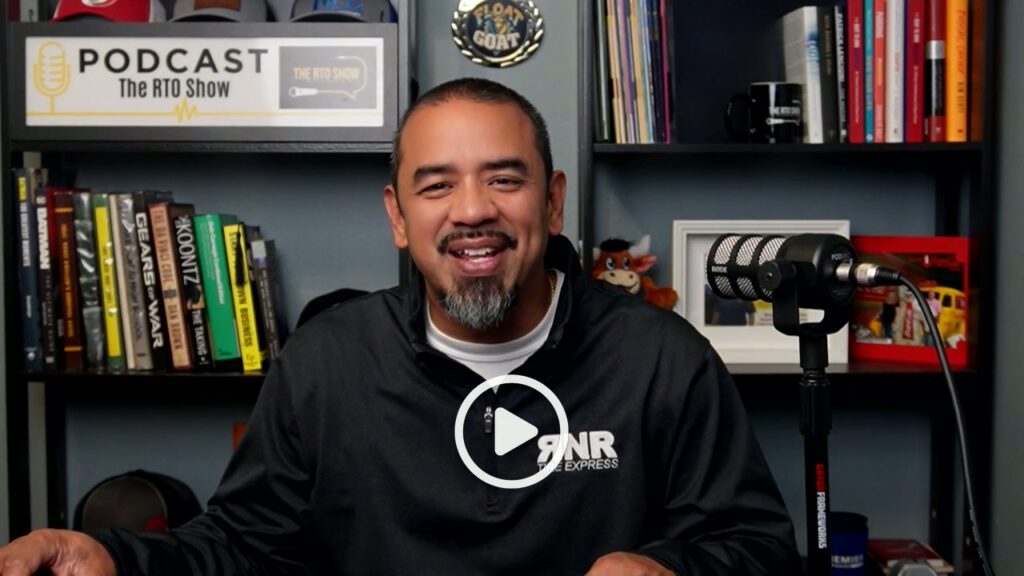
Potential does not automatically become performance. In LEAP Session 20, “Developing People on Purpose: Coaching vs. Mentoring,” Pete Shau, host of The RTO Show Podcast and Franchise Training Specialist for APRO member RNR Tire Express, challenged rent-to-own leaders to become more intentional about how they develop people before an employee is called upon to take the next step.
Facilitated by Michael Strong, Co-Owner of APRO member Mike Strong Inc., dba Mike’s Rent-To-Own, the session explored how coaching and mentoring serve different purposes and how leaders can build both into the regular rhythm of their operations.
Coaching and Mentoring Serve Different Goals
Shau drew a clear distinction between the two roles: Coaching is about performance now, while mentoring is about growth over time. A coach addresses a specific skill, habit, or result and asks, “How do we get this done better today?” A mentor looks farther ahead, helping someone consider where they are going and what it will take to get there.
That distinction matters because leaders can easily fall into developing employees only when circumstances demand it. Shau encouraged attendees to identify potential earlier and deliberately prepare people for greater responsibility rather than waiting until someone leaves, takes vacation, or a position suddenly needs to be filled.
He also highlighted research showing the influence managers can have on engagement and retention. Shau cited Gallup findings indicating managers can account for as much as 70% of the variance in employee engagement among teams and that 52% of departing employees said their manager or organization could have done something to prevent them from leaving.
Coaching One Behavior at a Time
For immediate performance improvement, Shau shared three practical coaching approaches leaders can put to work in their stores.
The SBI framework focuses feedback on the Situation, Behavior, and Impact. Instead of vague criticism or assumptions, leaders identify what happened, describe the observable behavior, explain its impact, and establish what should happen next.
The GROW framework moves through Goal, Reality, Options, and Way Forward. Rather than immediately providing the answer, the coach asks questions that allow employees to participate in developing their own solution. As Shau explained, employees are more likely to build lasting habits when they have ownership of the plan.
His third method, Show, Do, and Review, emphasizes practice. Leaders demonstrate the desired behavior, allow the employee to perform it, and then review what worked and what should change. Shau recommended concentrating on one improvement at a time rather than overwhelming someone with multiple corrections.
Mentoring Opens the Door Wider
Mentoring requires a different lens. Shau encouraged experienced rent-to-own professionals to “share the scar tissue,” including mistakes, difficult moments, and lessons that can help someone else avoid the same pitfalls.
Mentors can also “widen the window” by exposing developing employees to parts of the business they may not normally see. That could mean walking through a P&L, including someone in a meeting or vendor call, making introductions to industry leaders, or bringing emerging leaders to RTO World or APRO’s Legislative Conference.
Finally, leaders should help employees map their path. Asking where someone wants to be in two years, identifying skills or experiences they still need, and creating opportunities to close those gaps can turn a job into a longer-term career.
Shau’s message throughout the session was straightforward: Developing people should be intentional. Leaders who know when to put on the coaching hat and when to become a mentor can improve today’s performance while helping prepare the RTO industry’s next generation of leaders.
Watch the full LEAP Session replay – co-hosted by the Association of Professional Rental Organizations (APRO) and TRIB Group.
About RNR Tire Express
RNR Tire Express has been an APRO Member since 2001.