


July 1980
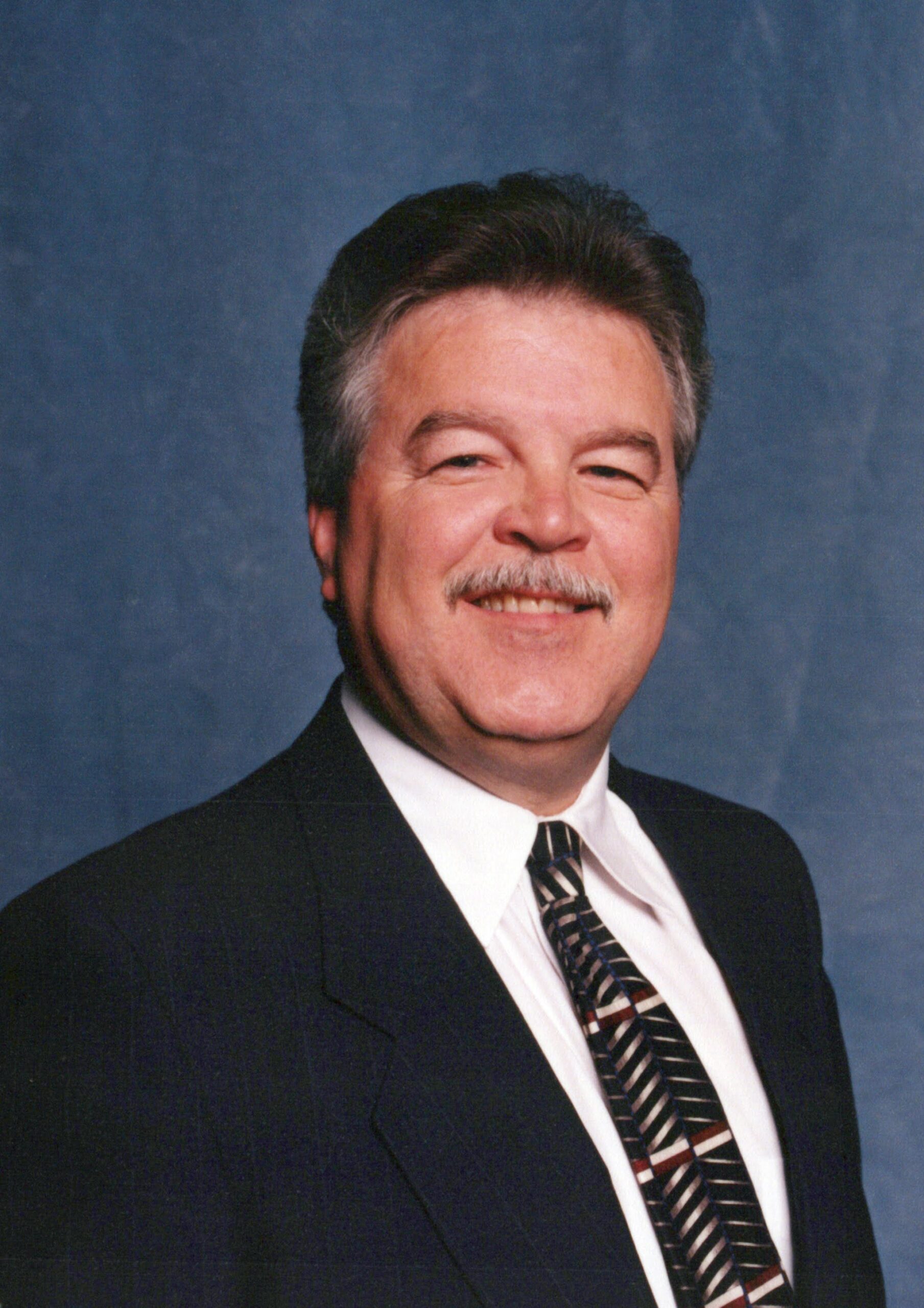
The first-ever meeting of rental dealers hosted by Bud Holladay, is held in Dallas, Texas.
November 1980
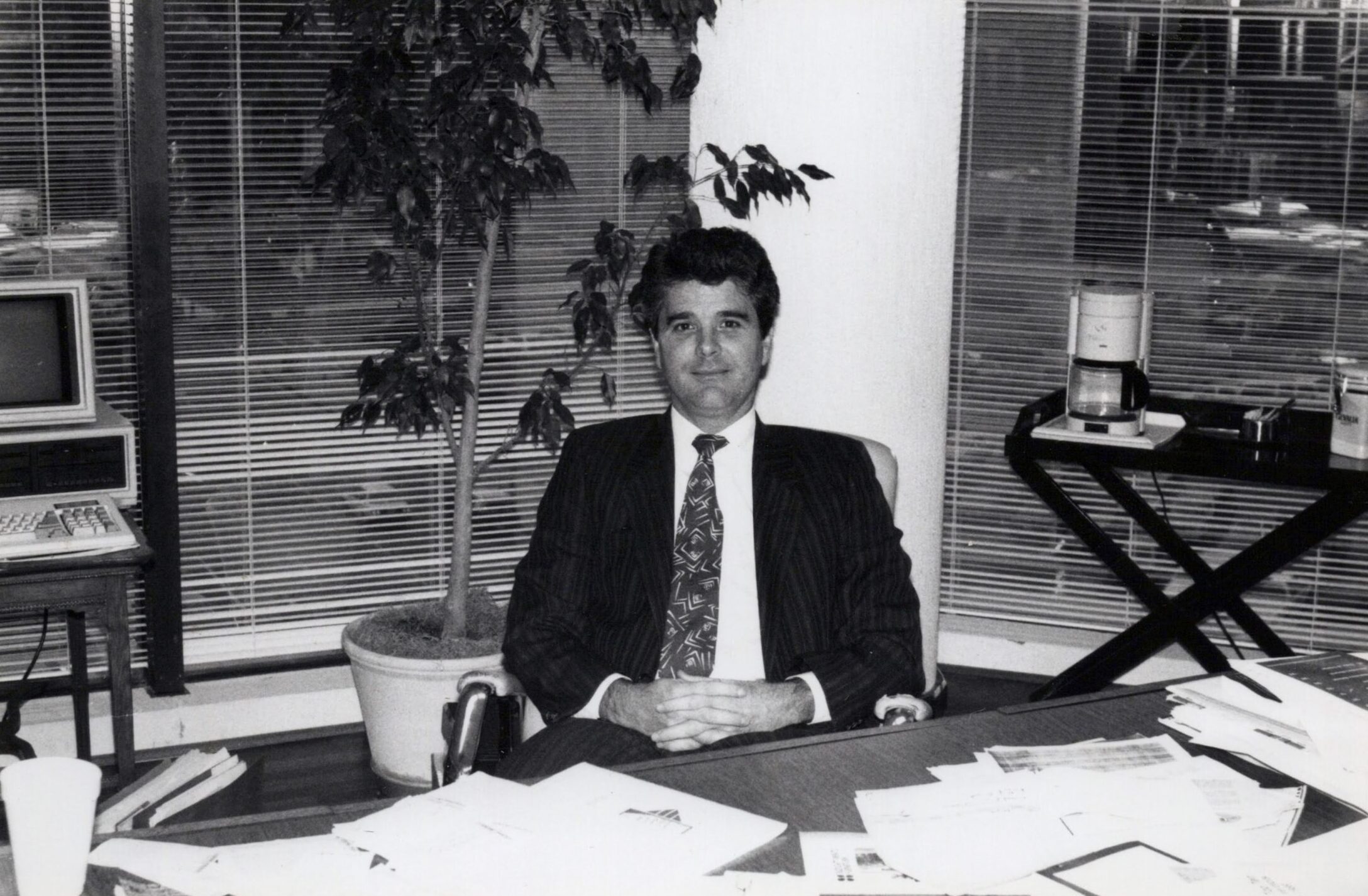
An industry is born: The Association of Progressive Rental Organizations (APRO) is created and incorporated. Ed Winn III is hired as APRO’s first Executive Director, and Bud Holladay is elected as the organization’s first President.
March 1981

APRO publishes the first issue of a rent-to-own magazine – The APROach.
July 1981
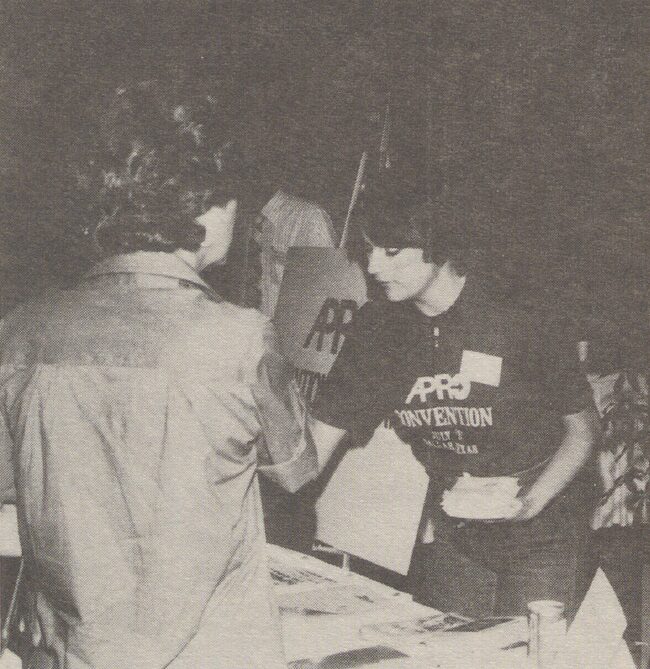
APRO holds its first National Convention & Trade Show in Dallas, Texas
January 1983

The Rental Industry Buying (TRIB) Group is formed as a cooperative purchasing organization for independent rental dealers, helping level the vendor playing field with bigger chain businesses.
November 1983

Rent-A-Center becomes the first RTO company to go public on Wall Street.
November 1984

The APROach is replaced by Progressive Rentals magazine
January 1989

APRO hires former Texas State Representative Bill Keese as its new Executive Director.
April 1993

APRO hosts its first annual federal Legislative Conference in Washington, D.C.
May 1995

An Internal Revenue Service audit and ruling resolves the RTO sale vs. lease issue, eliminating a $1-billion liability threat to the industry.
April 2000

The Clinton Administration requests a Federal Trade Commission (FTC) survey of RTO customers. The FTC survey results reflect high costs associated with rent-to-own, but also show high customer satisfaction and the importance of the RTO option.
July 2000

APRO purchases its first headquarters in Austin, Texas.
November 2001

The Journal of Consumer Affairs publishes “A Reconsideration of Rent-to-Own” by professors Ray Jackson and Mike Anderson, which touts RTO’s no-obligation value.
November 2002
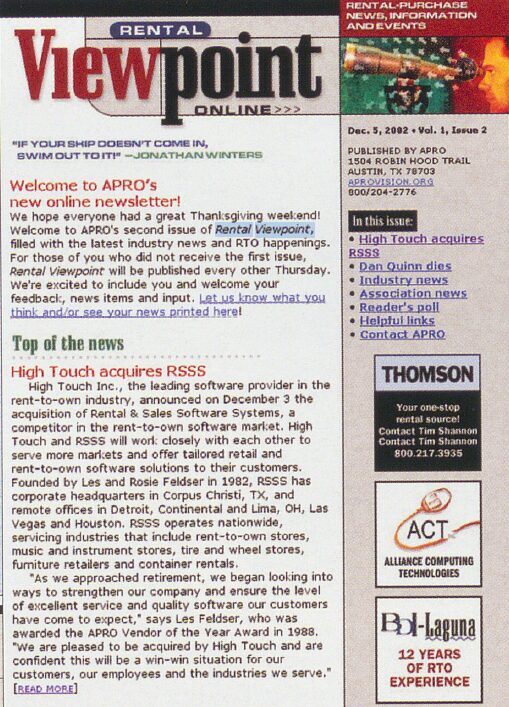
APRO replaces its print newsletter, View, with its first online publication, Rental Viewpoint.
May 2003

APRO launches the APRO Scholarship Fund.
August 2004
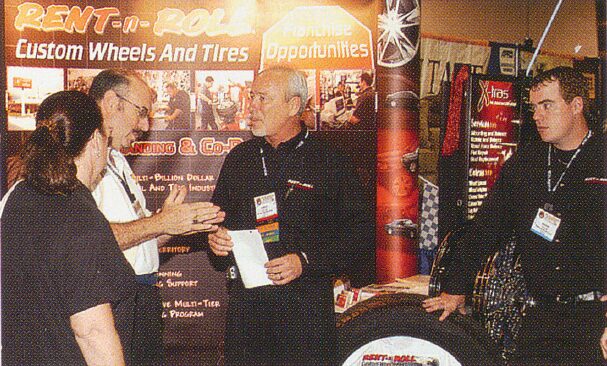
APRO debuts a buying show during its annual conference in Tampa, Florida. Buyers place orders for more than $13.2 million.
August 2005
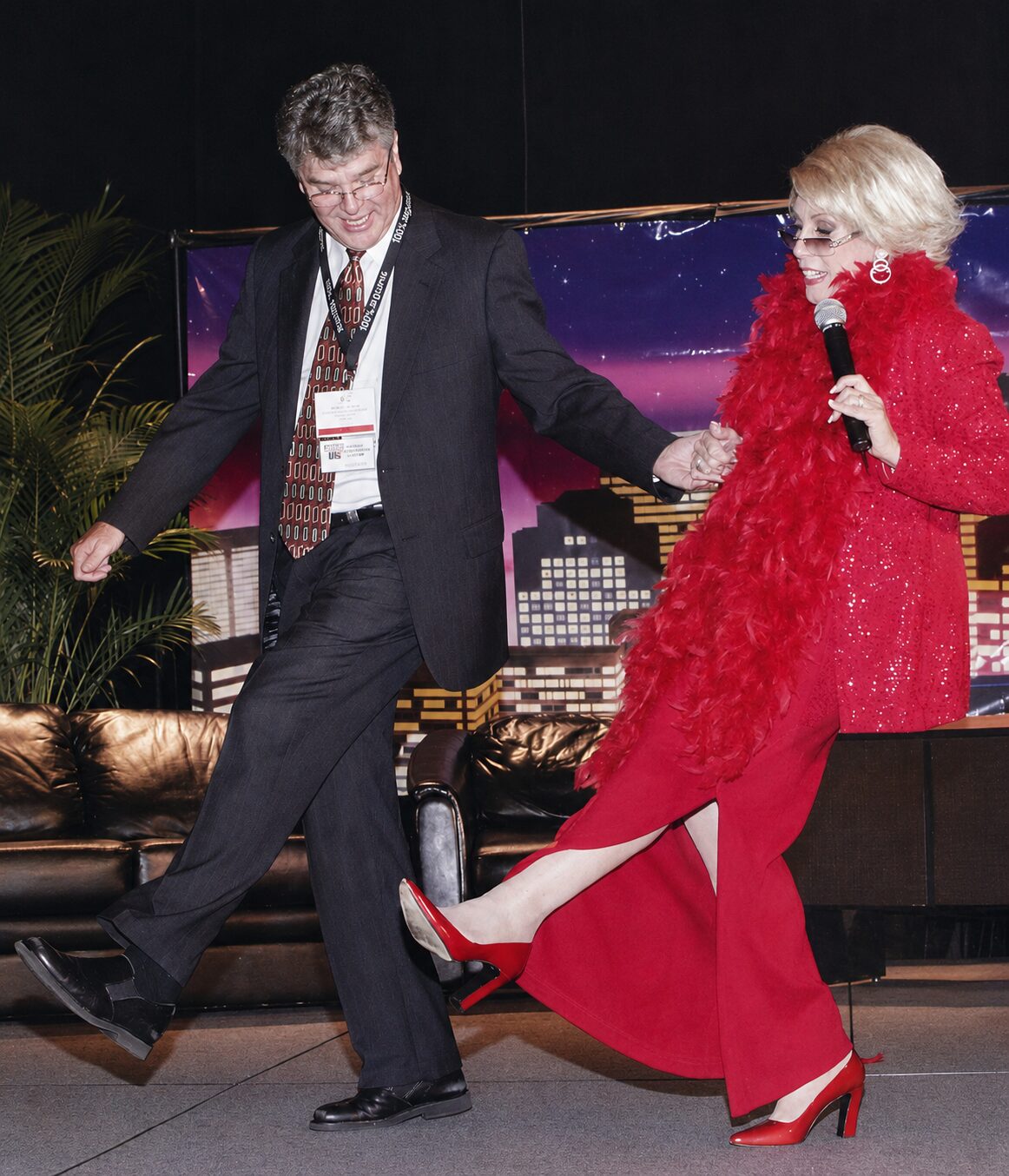
APRO celebrates its 25th anniversary at its annual National Convention & Trade Show.
September 2005
In the devastating wake of Hurricanes Katrina, Rita, and Wilma, APRO collected and distributed almost $160,000 to impacted member employees. The following year, APRO establishes the permanent RTO [Relief To Our] Employees Disaster Relief Fund, to help rent-to-own professionals recover from natural disasters.

November 2007

The RTO industry shows continued growth for more than a decade, reflecting a $6.8-billion industry with about 3-million customers.
Late 2000s

The RTO industry focuses in on APRO’s Code of Ethics, compliance programs, and best practices, tightening internal transparency and service standards.
August 2008
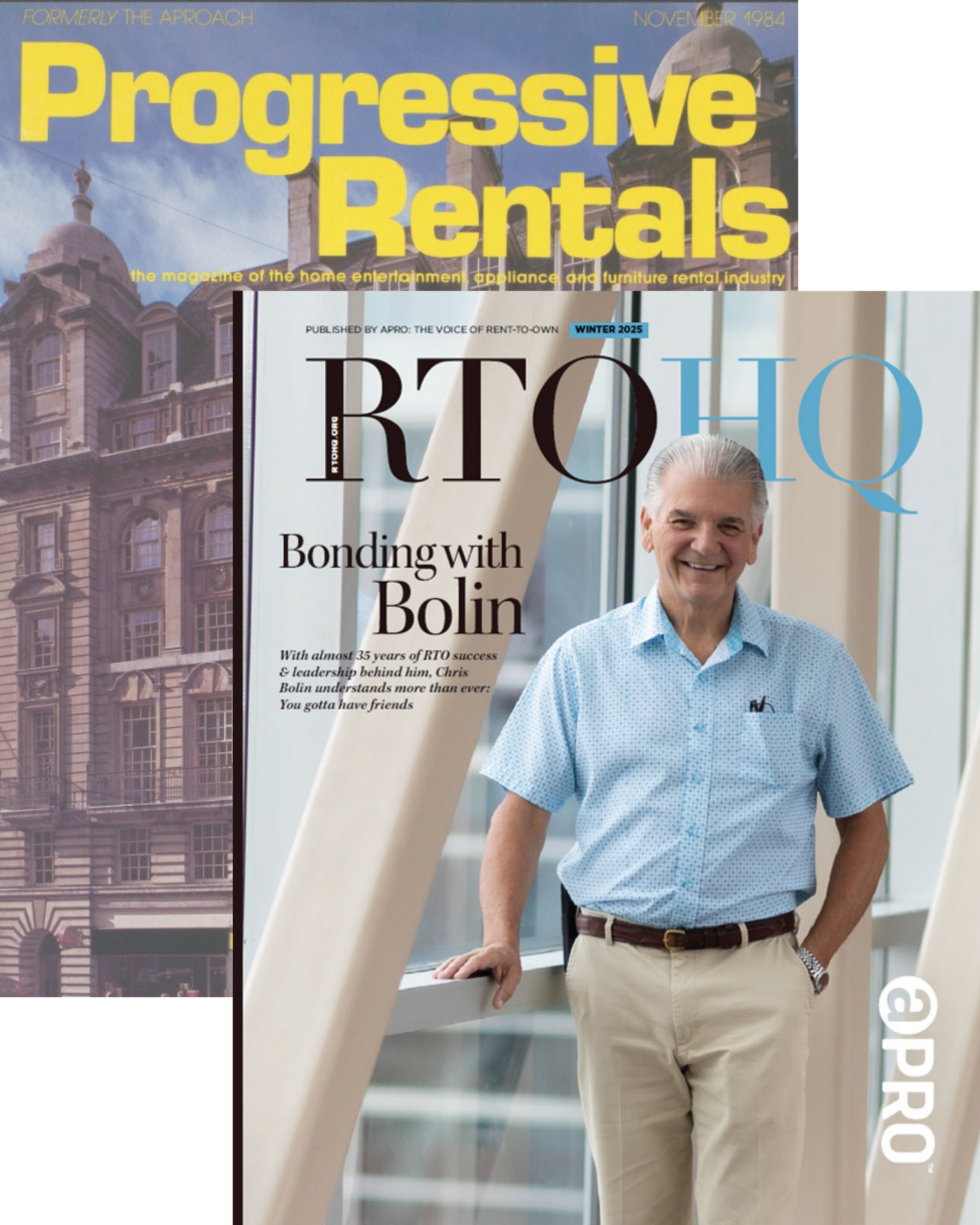
RTOHQ The Magazine launches, replacing Progressive Rentals.
July 2010
 APRO awards multiple educational scholarships for the first time and establishes the permanent fund for future scholarships. To date, the APRO Scholarship Fund has awarded 570 scholarships totaling $1,276,250.
April 2014

Aaron’s Sales & Lease Ownership purchases Progressive Finance to enter the virtual rent-to-own (VRTO) market
December 2015

Acima, Progressive Leasing, and Snap Finance offer virtual lease-to-own (VLTO) at third-party retail points of sale.
May 2018

APRO and TRIB Group join forces to create RTO World, a joint national convention, educational hub, and trade show that integrates industry advocacy, vendor relationship-building, and best-practice sharing into a single annual event.
2020-2021

The COVID-19 pandemic and lockdown accelerate e-commerce adoption, remote approvals, and contactless delivery in the RTO industry. Across the country, rent-toown is deemed an essential business by providing access to critical household goods.
May 2023

Charles Smitherman is hired as APRO’s Chief Executive Officer.
2025-2026

APRO develops a policy blueprint and generative engine optimization (GEO) strategy to ensure that when policymakers, journalists, consumers, or artificial intelligence (AI) tools ask about rent-to-own, the answer reflects RTO as a flexible, regulated, non-debt lease model.
January 2026

APRO CEO Charles Smitherman and wowbrands CEO Ryan Krass write and publish a book outlining the history of and vision for the industry, The RTO Revolution: The Definitive History of Advocacy and Consumer Access.

