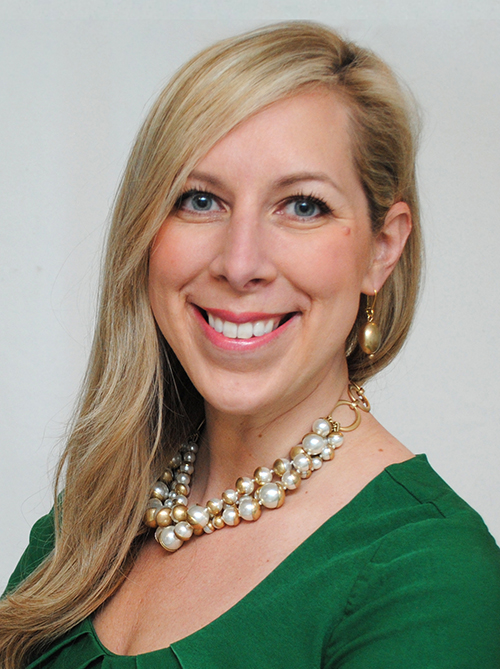
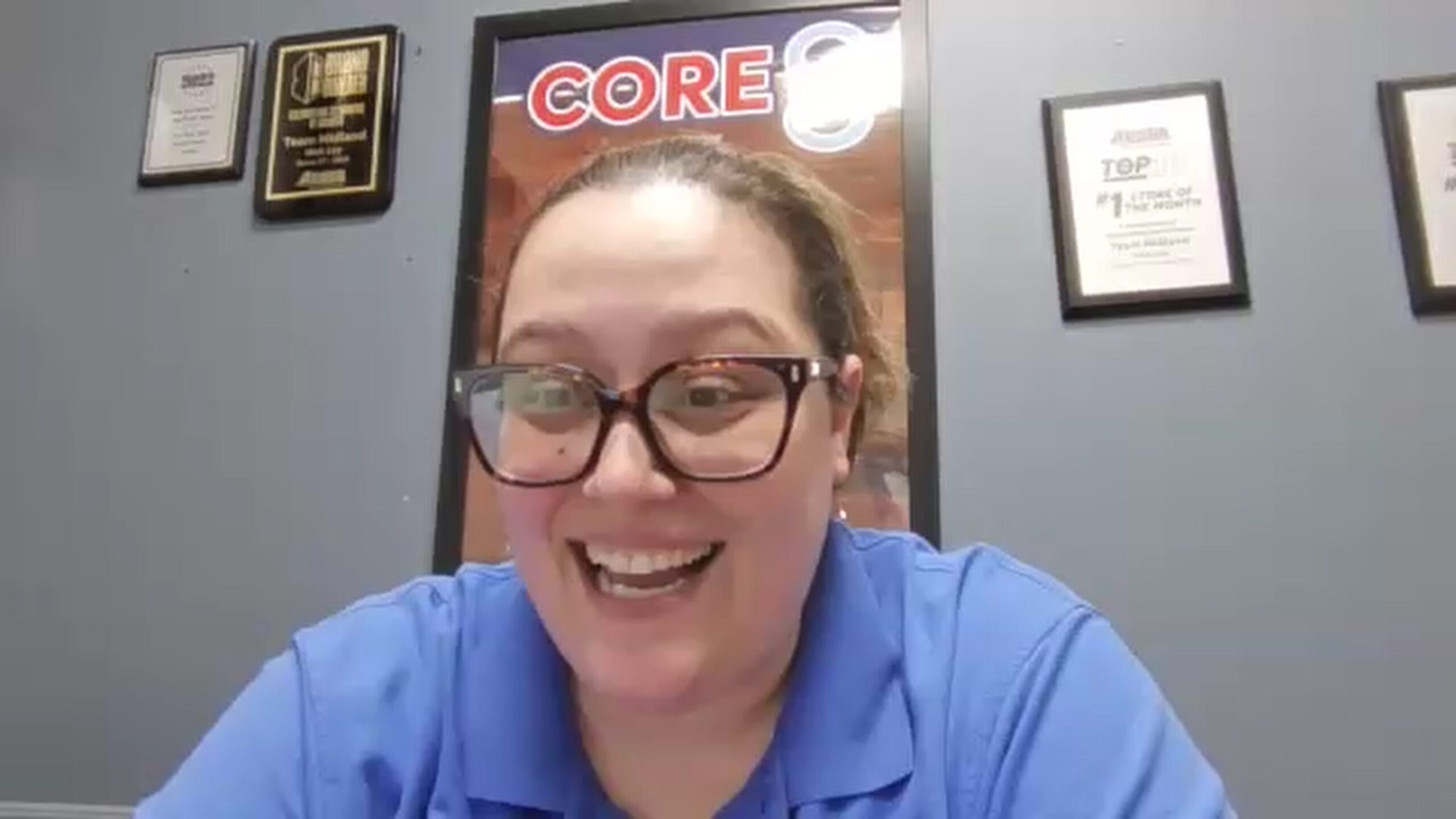
Strong organizations don’t wait for a leadership vacancy before preparing the next generation. That was the central message of LEAP Session 18, Building the Bench: Developing Leaders at Every Level, presented by Erica St. Charles, Regional Manager at Arona Corporation dba Arona Home Essentials. Drawing on her own career journey and experience leading high-performing teams, St. Charles shared practical strategies for creating a culture where leadership development begins long before a promotion becomes necessary.
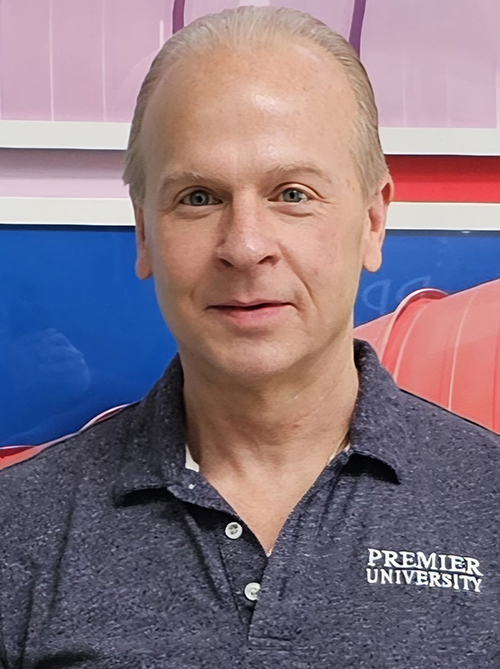
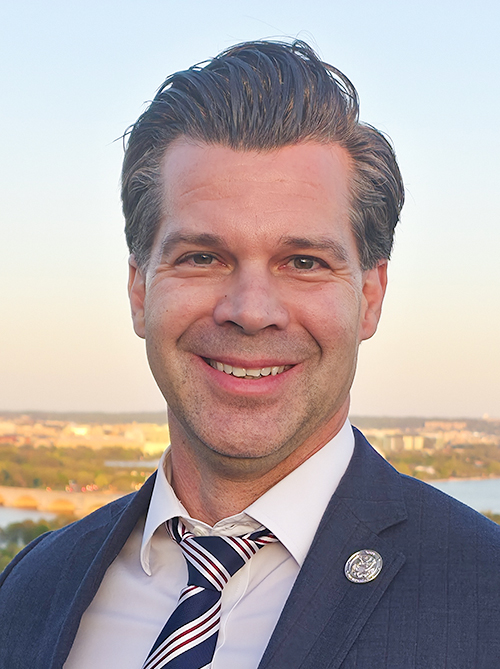
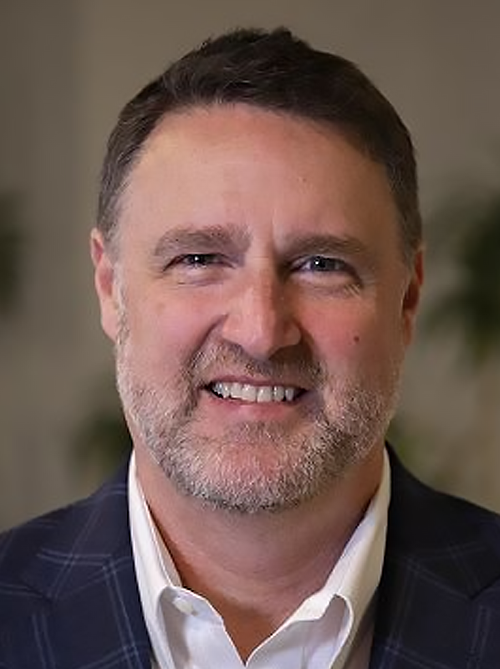
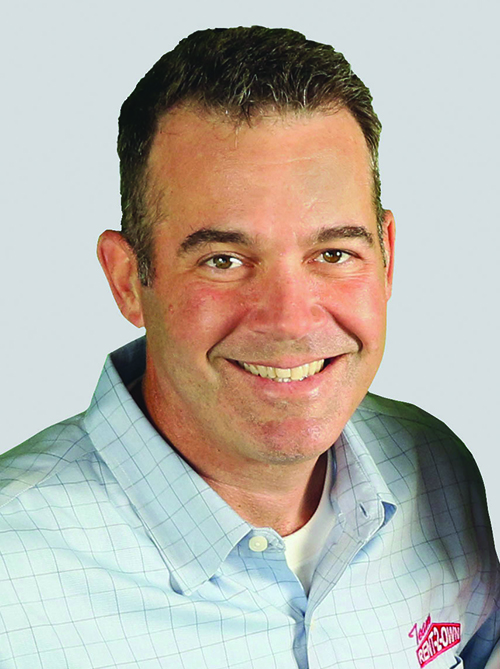
Introduced by Arona VP of Mergers & Acquisitions Mark Connelly, who highlighted her unique path to becoming the first Regional Manager in Arona history to bypass the General Manager role, St. Charles grounded the session in a simple but important question: If your strongest leader left tomorrow, who would step in? That question framed the discussion around building leadership depth rather than reacting to staffing changes after they happen.
Leadership Development Starts Before You Need It
One of the session’s biggest takeaways was the difference between reactive and intentional leadership. St. Charles encouraged leaders to stop waiting until someone resigns or earns a promotion before identifying future talent. Instead, she advocated for continuously developing employees, creating depth across every position, and building what she described as “bench strength.”
She explained that intentional leadership produces several long-term benefits:
- Higher employee retention by giving people visible career paths
- Less operational stress when leadership transitions occur
- Stronger engagement because employees see the organization investing in their future
- A healthier culture built on internal promotion and continuous growth
Rather than scrambling to fill vacancies, organizations with a strong leadership pipeline already have people preparing for the next opportunity.
Looking Beyond the Obvious Candidates
St. Charles challenged leaders to rethink what leadership potential actually looks like. Top sales numbers or outgoing personalities certainly matter, but they don’t always identify the best future leaders.
Instead, she encouraged participants to look for quieter characteristics, including employees who consistently solve problems, accept coaching, take accountability, support teammates naturally, and maintain a positive influence on workplace culture. Her description of the “silent assassin” resonated throughout the session: dependable team members who quietly deliver results, lead by example, and rarely seek recognition.
She also emphasized a philosophy many leaders can relate to: skills can be taught, but attitude and drive are far more difficult to develop.
Small Opportunities Build Future Leaders
Leadership doesn’t begin with a new title. According to St. Charles, it begins with intentional opportunities.
She encouraged managers to assign meaningful responsibilities such as leading morning huddles, training new employees, or managing specific operational tasks. Combined with regular coaching, recognition, and gradual increases in responsibility, these experiences help employees build confidence without becoming overwhelmed.
Equally important is observing employees before assigning larger responsibilities. St. Charles recommended watching how team members interact with customers, collaborate with coworkers, respond to feedback, and handle accountability. Those everyday moments often reveal more about future leadership potential than formal evaluations alone.
Build Buy-In, Not Just Incentives
Another memorable message centered on motivation. While contests, bonuses, and pizza lunches certainly have value, St. Charles cautioned against relying solely on incentives to create engagement.
Instead, she encouraged leaders to explain the “why” behind expectations, recognize positive behaviors as much as performance numbers, and have regular conversations about employees’ future goals. When people understand their purpose and see a path for growth, they’re more likely to stay engaged and invested in the organization.
She left attendees with three practical questions to take back to their stores:
- Who already has untapped leadership potential?
- What additional responsibility can you trust them with?
- Which coaching conversation have you been putting off?
By focusing on those questions today, leaders can begin building stronger teams for tomorrow.
Watch the full LEAP Session replay, proudly co-hosted by APRO and TRIB Group.