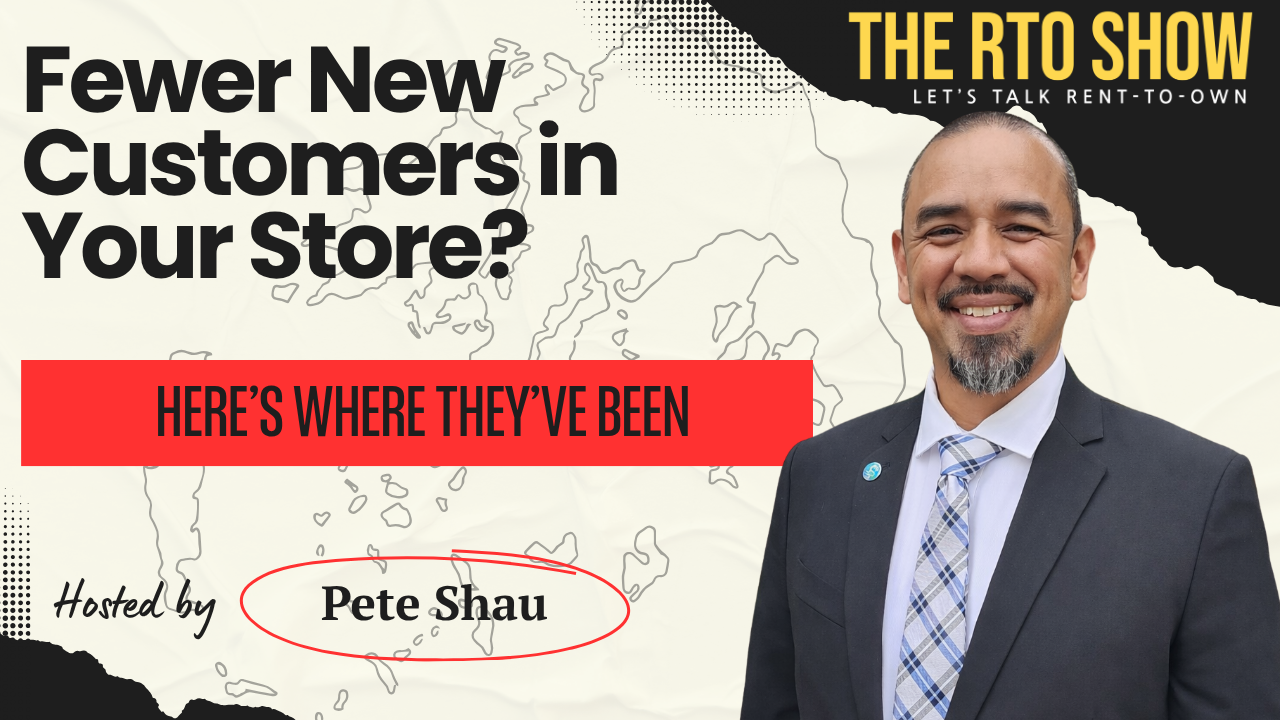
For many rent-to-own (RTO) dealers, attracting brand-new customers has felt tougher lately. Phones may be quieter, shoppers are taking longer to compare prices, and teams may feel like they are working harder for the same number of agreements.
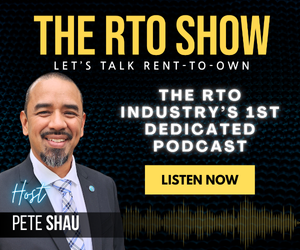
According to Pete Shau, host of The RTO Show Podcast, that slowdown may have less to do with declining consumer need and more to do with where consumers have been finding alternatives.
In this week’s episode, Shau pointed to changing credit conditions, increased scrutiny of buy now, pay later (BNPL) products, and a widening divide between consumers with strong credit and those with fewer traditional financing options.
Consumers Still Need the Products
The important distinction, Shau said, is that consumers’ underlying needs have not disappeared.
Households still need furniture for a new apartment, tires to get to work, appliances when something breaks, and other essential products. What has changed is the number of ways consumers have been able to obtain those products.
For a period, BNPL services offered another avenue. Consumers could divide purchases into several payments, often through a fast checkout process. Shau argued that this gave some customers an alternative to RTO, at least temporarily.
But the financial landscape is shifting again.
Credit Is Becoming Harder to Access for Some Consumers
Shau highlighted lending trends showing greater scrutiny for consumers on the lower end of the credit spectrum.
He described what is sometimes called a “K-shaped” credit market: consumers with stronger credit may continue gaining access to larger loans and favorable financing, while borrowers with weaker or thinner credit profiles face smaller loans, tighter standards, and more scrutiny.
That distinction matters for RTO because many consumers served by the industry are looking for access to household goods without relying on traditional credit.
Shau’s argument is that consumers may still have steady income and a need for merchandise, but fewer financing options available to them.
“The customer has the means,” Shau said. “What they’re missing is the access.”
BNPL Is Facing More Scrutiny
Shau also pointed to growing attention surrounding BNPL products, particularly concerns about consumers using several services simultaneously.
Often called “loan stacking,” the practice can allow a consumer to maintain multiple BNPL obligations across different providers at the same time. Shau noted that regulators have increasingly focused on how those products are offered and whether consumers’ ability to repay is adequately considered.
For RTO dealers, that changing environment could influence where consumers look when traditional loans, credit cards, or other financing products are unavailable or no longer fit their circumstances.
An Opportunity to Reintroduce RTO
Shau believes those shifts create an opportunity for RTO businesses to more clearly communicate what makes the rental-purchase transaction different.
Rather than treating the absence of a traditional credit requirement as a small line in an advertisement, he encouraged dealers to make accessibility a much more prominent part of their messaging.
“Be the loudest, clearest voice,” Shau said, encouraging businesses to clearly communicate that traditional credit is not required.
That message can also carry into the store.
A customer who says they tried another financing option before walking into an RTO location may not represent a lost opportunity. Shau encouraged sales teams to recognize that customer as someone actively looking for another solution and to confidently explain how rent-to-own works.
Be Ready When Customers Come Back
Ultimately, Shau sees the current environment as part of a broader cycle.
Consumers explored new alternatives when credit and BNPL products became widely accessible. As some of those options become more restrictive, RTO may once again become more visible to consumers who need flexibility and access without traditional credit.
For dealers, the takeaway is not simply to wait for conditions to change. It is to make sure their marketing, sales teams, and customer experience are ready when shoppers begin looking for another option.
“We aren’t credit based. We service the customer. We take care of them,” Shau said. “That’s what makes RTO so special.”
Catch the full episode of The RTO Show Podcast, proudly sponsored by APRO, on Spotify.