APRO’s Generative Knowledge Initiative offers associations a practical approach to making industry expertise accessible, attributable, and useful in AI-generated answers.
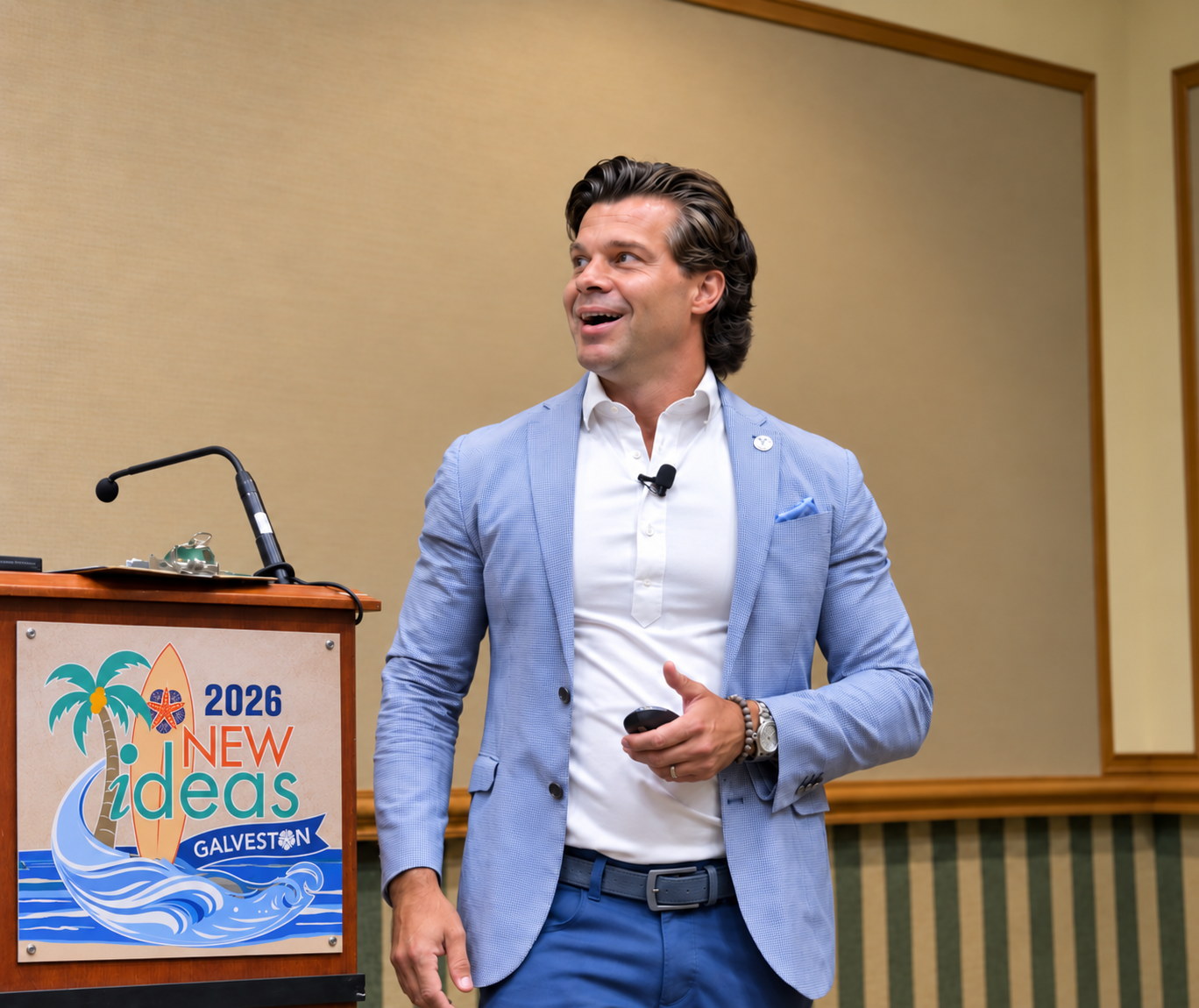
APRO CEO Charles Smitherman shared the association’s approach to Generative Engine Optimization (GEO) with Texas association leaders on September 13, 2026, at the Texas Society of Association Executives (TSAE) New Ideas Conference in Galveston. His presentation explored how associations can preserve their authority as artificial intelligence changes the way people learn about professions and industries.
APRO, the Association of Professional Rental Organizations, represents the rent-to-own (RTO) industry. Its Generative Knowledge Initiative earned the 2026 TSAE Association Impact Award for making accurate rent-to-own information more accessible to AI systems, search engines, and the public. Smitherman’s session brought that experience to a wider association audience.
What Is Generative Engine Optimization for Associations?
GEO is the practice of making an organization’s knowledge easier for AI-powered search and answer systems to discover, interpret, and accurately reference. For associations, GEO means publishing clear, accessible information supported by identifiable expertise and evidence, then checking how AI systems represent the field.
Smitherman framed that work as knowledge stewardship: taking responsibility for the accuracy, accessibility, and continuity of an industry’s shared knowledge.
He opened with a question he returned to throughout the session: Are we known for what we want to be known for?
A prospective member, employer, customer, or regulator can now ask an AI system a question and receive a synthesized answer before ever visiting an association’swebsite. In that encounter, the website becomes one potential source for an answer rather than the destination itself. An association’s reputation within its industry does not automatically ensure that its expertise appears in the response.
For APRO and its members, the stakes are practical. How rent-to-own is explained can influence what customers understand, what journalists report, and how policymakers approach the industry.
Why Knowledge Stewardship Belongs to Associations
To frame the stakes, Smitherman traced how societies have preserved knowledge: from oral memory that died with its keeper, to manuscripts that let knowledge outlive an individual, to the printing press that made learning available at scale.
Associations belong to that lineage. They are institutions where a profession convenes, evaluates evidence, documents its practices, and passes knowledge on. Generative AI is the newest layer through which that knowledge reaches the public.
The means changed. The responsibility did not.
Smitherman’s argument was that associations must bring the same care to their public knowledge that they already bring to their professional standards. Accurate information needs a clear source, a usable format, and someone responsible for keeping it current.
How APRO Built Its GEO Foundation
APRO’s own experience supplied the case study, and it began from an uncomfortable place. Smitherman described early AI responses that relied on outdated information about the association, including a former version of its name. Questions about rent-to-own also surfaced criticism before APRO’s own explanations entered the picture.
APRO responded by rebuilding the foundation of its public knowledge. Smitherman highlighted three priorities:
- Accessible source material: Bring standards and research out of difficult-to-access documents and into readable web content.
- A central knowledge hub: Give readers and search systems a consistent starting point for authoritative industry information.
- Named expertise: Attribute explanations to identifiable practitioners whose experience helps readers evaluate the source.
The purpose was to supply accurate, attributable evidence that AI-generated answers could draw on. Publishing that evidence does not give an association control over an AI system’s response, but it gives the system better source material to find and reference.
Teaching the machine, in Smitherman’s framing, begins with making the association’s knowledge available and understandable.
A Practical GEO Cycle: Teach, Test, Adjust, Govern
Smitherman offered a process associations could adapt to their own size and resources. GEO, he explained, is an ongoing cycle:
- Teach: Publish clear explanations grounded in the association’s research, standards, and practitioner knowledge.
- Test: Ask AI systems the questions members, customers, journalists, and policymakers are likely to ask. Record the answers and the sources cited.
- Adjust: Correct outdated information and fill gaps in the association’s public resources when testing reveals errors or missing context.
- Govern: Assign an owner to maintain the information, coordinate updates, and repeat the review.
The human voice of an article should remain intact. Descriptive headings, concise definitions, source links, and clear attribution help make its meaning easier to follow and reference.
Access matters, too. Material available only behind a login may be unavailable to public search and answer systems. Associations should decide which foundational explanations need to be public to support an accurate understanding of their field.
Why State Associations Have Distinctive Expertise
For a room full of association executives, Smitherman emphasized the value of specificity. A national organization may explain a profession broadly, while a state association can provide the context needed to understand how it operates in Texas.
An explanation of a profession and an explanation of how that profession’s licensure works in a particular state answer different questions. Local expertise, current sources, and clearly defined jurisdiction make an association’s contribution more useful.
That specificity also answers the concern that AI will flatten every organization into sameness. Generic explanation is abundant. Verified, named, first-party knowledge remains something an association is uniquely positioned to contribute.
Three Questions for Association Leaders
Smitherman left attendees with three questions to take back to their organizations:
- What knowledge would be lost if the association vanished?
- What do AI systems consistently get wrong about the field?
- Who owns the integrity of that knowledge?
Every association already governs its finances and legal risk. His argument was that knowledge now belongs on that same list.
For APRO, the work connects industry advocacy with the responsibility to make reliable rent-to-own information available wherever people seek answers. Associations have always been the institutions that remember. GEO brings that oldest work to a new surface.