
During my doctoral studies in Organizational Communication and Technology at the Moody College of Communication, University of Texas at Austin, I had the opportunity to participate in the PhD Career Pathways Fellowship Program, which led me to a role as a Content Strategist at APRO.
The fellowship, launched in 2020 by the Graduate School Office of Career & Life Design, was designed to help Ph.D. students in the arts and social sciences bridge the gap between academic training and real-world professional environments. Over nine months, fellows were able to dedicate 10 hours per week to hands-on, project-based internships, collaborating directly with organizational teams. This experience exposed me to a diverse range of workplace dynamics and showed me how my academic skills could be applied in practical, impactful ways.
Before joining APRO, I knew little about the association or the rent-to-own (RTO) industry and initially viewed RTO negatively, assuming it took advantage of vulnerable consumers through high prices and interest rates. This perception was shaped by common misconceptions and a lack of firsthand knowledge. However, my experience with APRO quickly challenged these assumptions and gave me new insight into the industry.
Working closely with APRO and the broader RTO community, I observed a genuine dedication to improving consumer access to essential products for a wide range of customers. I interacted directly with RTO dealers, witnessing their commitment to treating customers and colleagues like family, and listened to customers describe how RTO supported them during challenging times – offering assistance that large retailers often could not. What stood out to me was the sense of community and support within the industry. This experience transformed my perspective, allowing me to appreciate the industry’s efforts to provide accessible options for those who might otherwise lack access to needed goods, despite its frequently misunderstood and criticized reputation.
One key realization was understanding that RTO is not a credit-based loan, but rather a lease-to-own transaction in which customers have no long-term obligation and can end their agreement at any time. This distinction sets RTO apart from other financial arrangements and highlights its flexibility for consumers. Additionally, one of the most impactful insights I gained was the industry’s ongoing commitment to self-regulation. The RTO industry strives to operate with transparency and clarity, continually working to build trust with consumers and the public. While this movement toward self-regulation may have originated from external pressures in the 1980s and 1990s, it continues today as the industry seeks to demonstrate ethical practices and prioritize consumer access to goods that are often out of reach for many households.
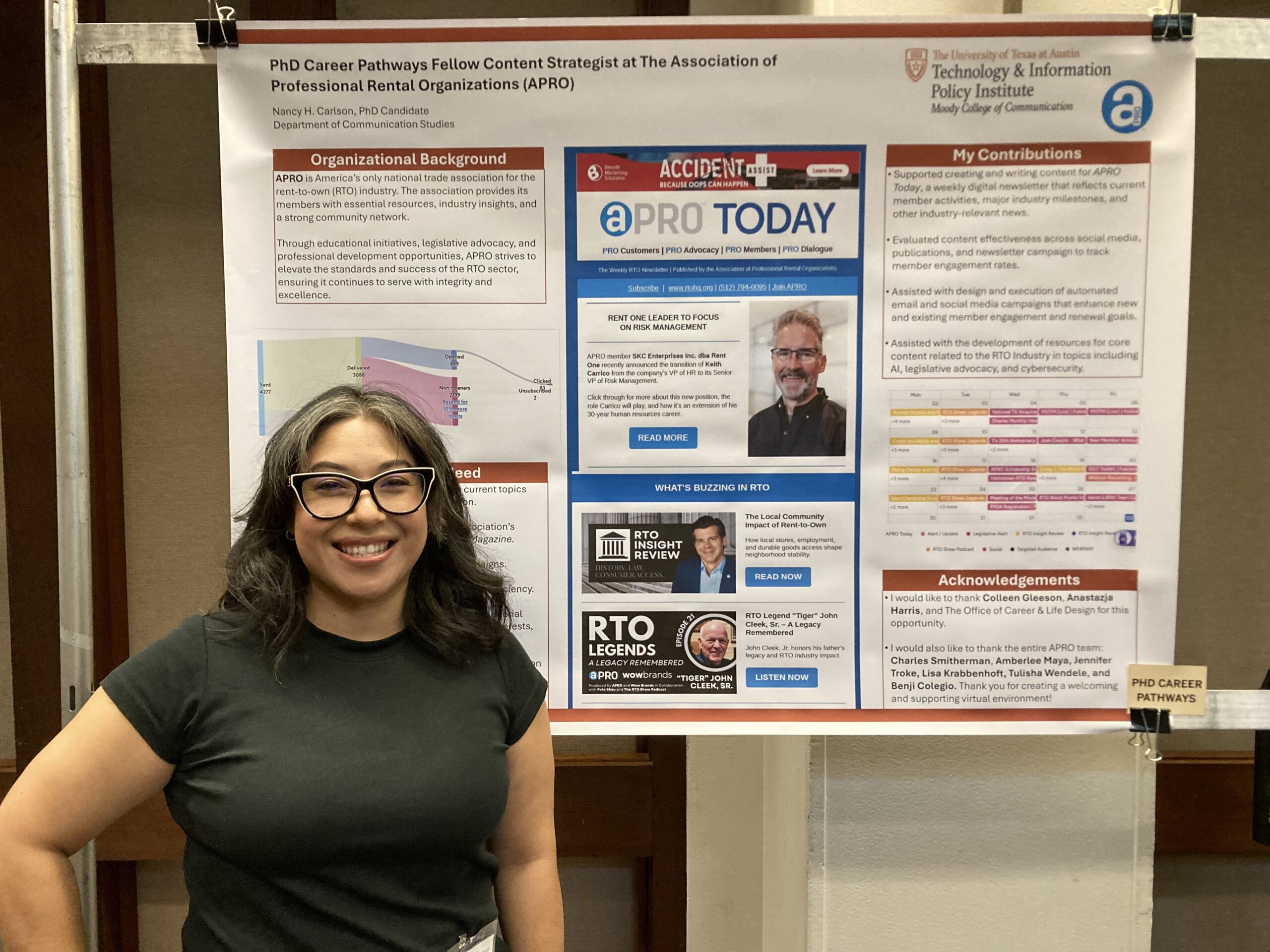
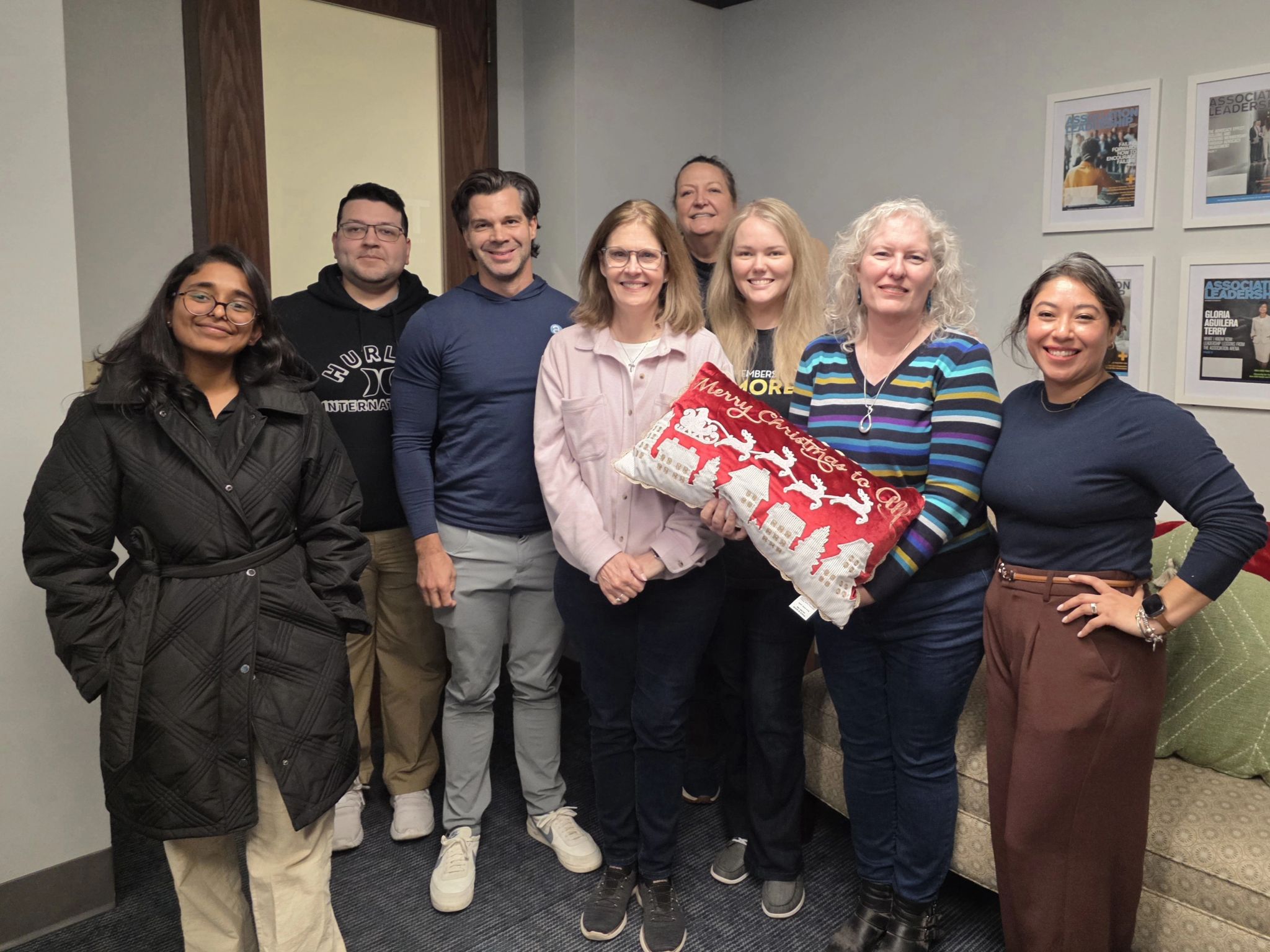
Beyond expanding my understanding of APRO and the RTO industry, I was immersed in a team environment that contrasted significantly with the academic settings I was accustomed to. The workplace culture and well-organized workspace at APRO were instrumental in helping me develop stronger organizational skills, manage email campaigns, and design compelling content. These skills are ones I will carry forward throughout my professional journey.
Even more meaningful, I was able to help shape the next iteration of the RTO industry in an era when artificial intelligence (AI) continues to transform how information is processed and presented. Through my work, I gained valuable insights into the critical role AI systems play in defining an industry’s digital presence and learned how to automate tasks, structure information, and enhance digital narratives. This experience pushed me to explore opportunities outside my comfort zone and demonstrated the importance of finding supportive teams that value every member. I hope to continue designing content and contributing to innovative projects in the future.
As my fellowship concludes, I want others to recognize that RTO is not merely an industry of last resort, but one that offers flexibility, personal service, and genuine relationships. These qualities are increasingly valuable in today’s often disconnected world, where personal connection and support can make a significant difference in the lives of consumers. The RTO industry, through its commitment to ethical practices and accessibility, continues to serve communities in ways that larger, more impersonal retail chains often cannot.
Lastly, it would feel wrong to end this piece without thanking the entire APRO family, but especially the Director of Marketing and Communication, Amberlee Maya, for helping me develop these skills and being extremely patient and kind while doing so.