The days of predictable pricing across consumer electronics are fading fast. From laptops and desktops to smartphones and gaming consoles, a powerful shift is underway – one that is pushing technology costs higher, tightening supply, and changing how consumers access essential technology.
For rent-to-own dealers, this is more than a pricing story. It’s a market signal.
Understanding what’s driving these changes can help dealers make smarter inventory decisions, anticipate customer behavior, and position their businesses for what comes next.
A Market Under Pressure
Technology prices are climbing in 2026, and the data behind it is significant.
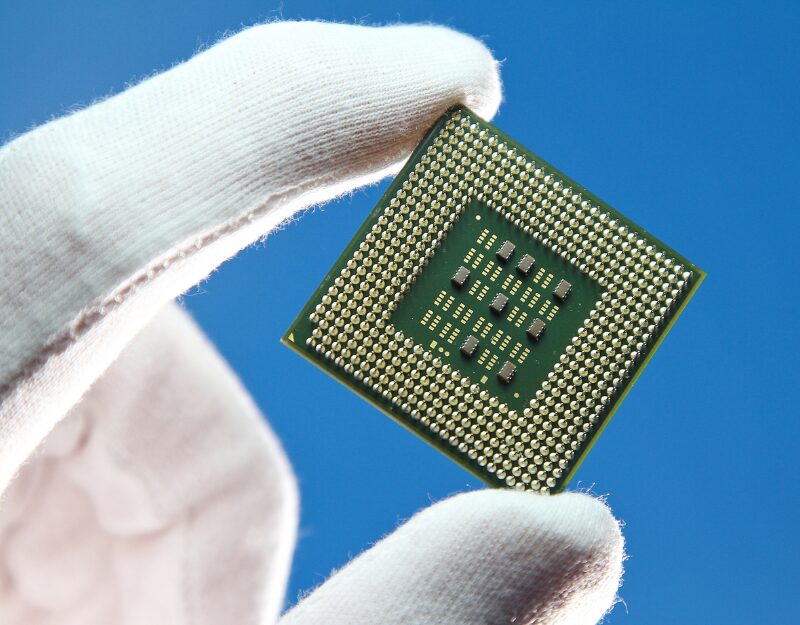
Research firm Gartner projects a 130% surge in memory and storage component costs by the end of 2026, contributing to an estimated 17% increase in overall PC pricing compared to 2025. Manufacturers are already seeing the impact. Major PC makers report sharply higher component costs and are beginning to adjust pricing as supply tightens.
Those same components are also driving increases in other categories:
- Smartphone prices are expected to rise around 13%
- Memory prices alone have already surged 80–90% in some segments, impacting everything from laptops to gaming systems
In short, the cost structure behind nearly all consumer technology is shifting upward – and it’s not isolated to one product category.
What’s Driving the Increase
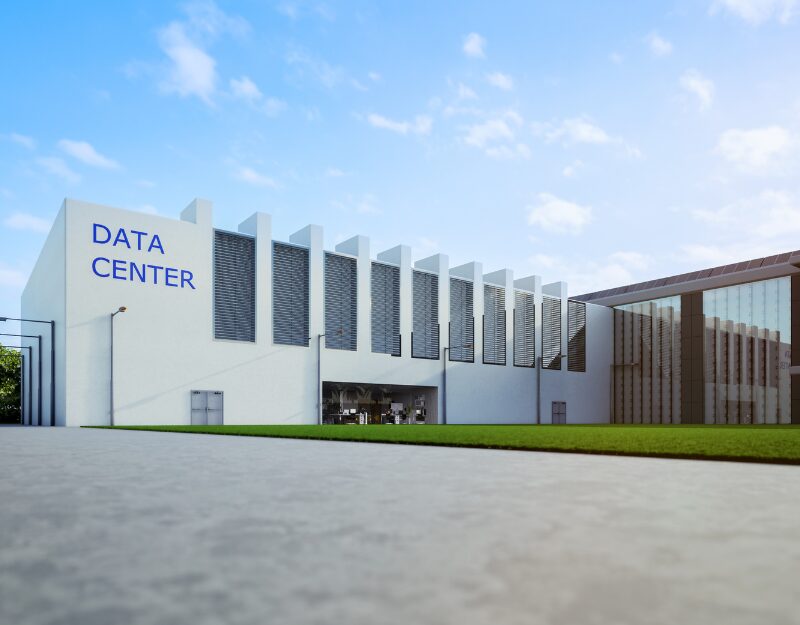
At the center of this shift is artificial intelligence (AI).
AI infrastructure requires enormous volumes of high-performance components, including:
- Memory (DRAM and high-bandwidth memory)
- GPUs
- Advanced storage
These are the same components used in consumer electronics. As large-scale data centers absorb supply, manufacturers are reallocating production toward higher-margin enterprise demand.
The result is a simple but powerful dynamic:
Reduced supply for consumer devices is pushing prices higher across computers, smartphones, and gaming hardware alike.
Industry analysts suggest this is not a temporary imbalance, but a long-term structural shift in semiconductor allocation, with AI continuing to take priority.
Not a Short-Term Spike
The outlook suggests these conditions will persist.
- Component shortages could extend through 2027 and beyond
- Total device shipments are expected to decline as prices rise
- Entry-level devices are becoming harder to produce profitably
Gartner analysts also suggest that sub-$500 computers and low-cost smartphones may become less common, as manufacturers shift toward higher-margin products.
This points to a new reality: higher prices may become the baseline, not the exception.
What This Means for RTO Dealers
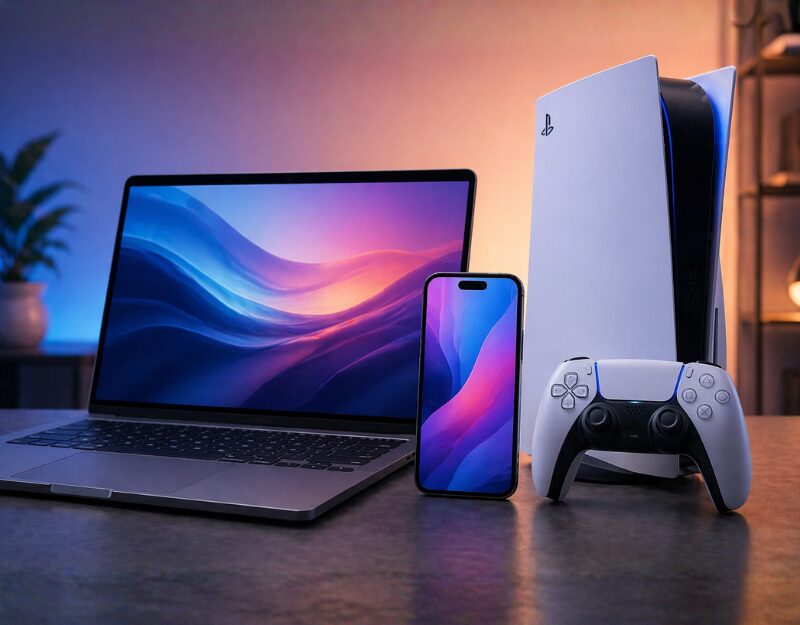
For rent-to-own businesses, rising technology costs create both challenges and opportunities across multiple product categories.
1. Inventory Planning Becomes More Critical
As acquisition costs increase across computers, smartphones, and gaming products, dealers may need to:
- Lock in pricing earlier when possible
- Reevaluate product mix between entry-level and mid-tier devices
- Monitor supplier pricing more frequently
Gaming systems – including both PCs and consoles – may see increased volatility due to their reliance on high-performance components.
In this environment, timing and selection matter more than ever, as waiting too long to purchase inventory could mean paying significantly higher costs later.
2. Margins and Product Mix Will Shift
Higher wholesale costs can compress margins if pricing strategies don’t evolve.
At the same time:
- Entry-level devices may become less available
- Mid-tier and performance products may dominate inventory
- Gaming categories may carry higher price points but also higher demand
Dealers may need to balance affordability with availability in new ways.
3. Consumer Behavior Is Changing
As prices rise across all technology categories, consumer behavior is shifting.
Customers are increasingly:
- Delaying upgrades
- Holding devices longer
- Becoming more price-sensitive
Gartner projects device lifespans to increase by as much as 15–20%, as consumers adjust to higher prices.
This applies not just to computers, but also to smartphones and gaming systems.
For many households, these products are no longer discretionary:
- Computers support work and education
- Smartphones are essential communication tools
- Gaming systems are a primary source of entertainment
Yet the cost of entry is rising across the board.
The Opportunity for Rent-to-Own
In a higher-price environment, rent-to-own aligns naturally with evolving consumer needs.
As upfront costs increase:
- Flexibility becomes more valuable
- Large one-time purchases become harder for many households
- Access to technology becomes the priority
This creates an opportunity for RTO to serve a broader audience – including consumers who may not have previously considered rent-to-own, particularly those who are now priced out of retail options.
The shift is clear – as technology becomes more expensive, rent-to-own becomes a more practical way for consumers to access the devices they need.
Looking Ahead
The consumer technology market is entering a new phase – one shaped by AI demand, constrained supply, and structurally higher costs.
For RTO dealers, success in this environment will depend on:
- Staying informed on pricing trends
- Adapting inventory strategies across multiple categories
- Understanding how customer expectations are evolving
What may appear to be a challenge on the supply side is also creating new relevance on the customer side.
As the cost of technology rises, the value of access rises with it.