


Black Friday remains an important sales opportunity for rent-to-own (RTO) retailers, but the strategies that worked a decade ago may no longer deliver the same results.
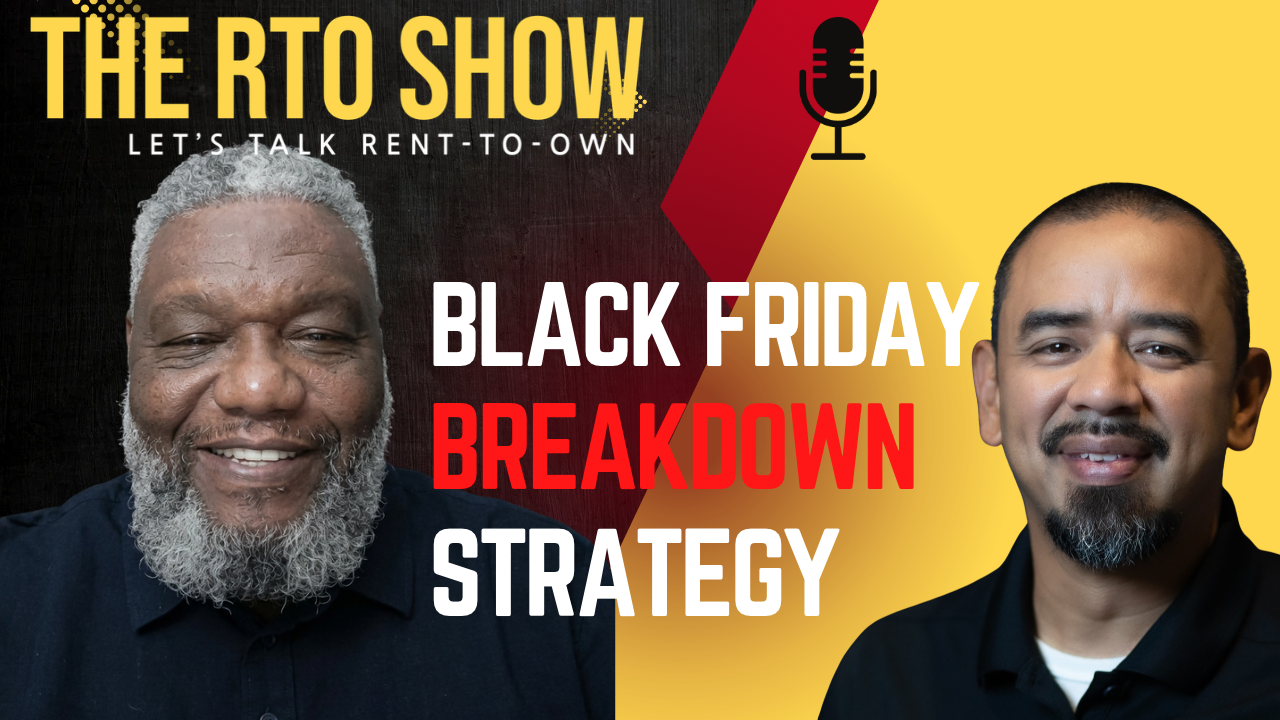
In a recent episode of The RTO Show Podcast, Pete Shau spoke with Joe Bob Ellis of Max Home Furnishings about how Black Friday has evolved and what retailers can do to make the most of the holiday shopping season.
With more than three decades of experience in RTO, including managing multi-store operations across Texas and New Mexico, Ellis shared practical advice on inventory planning, promotional pricing, customer relationships, and long-term profitability.
Rethinking Black Friday RTO Strategies
According to Ellis, Black Friday has shifted from a single high-volume shopping day into a month-long promotional opportunity. Rather than holding merchandise for one major event, retailers can benefit from making attractive offers available throughout November.
But generating sales is only part of the equation. Ellis emphasized that retailers should prioritize customers who can comfortably maintain their rental payments beyond the initial promotional period.
Deeply discounted introductory offers may attract attention, but they can also create challenges when regular payments begin in January. Ellis encouraged dealers to focus on quality merchandise, competitive ongoing rates, and helping customers select products that fit their needs and budgets.
Plan Inventory Around Customer Demand
Successful holiday promotions begin months before November.
Ellis recommended identifying merchandise and securing vendor commitments in August or early September, allowing time for deliveries, showroom setup, and employee product training.
He also encouraged retailers to listen closely to their store managers and sales teams, who hear directly from customers about the products they want.
While holiday gadgets may generate excitement, Ellis emphasized the continued importance of core merchandise, including washers, dryers, refrigerators, and furniture.
Offering good, better, and best options gives customers more choices without relying exclusively on entry-level merchandise.
Retailers must also consider cash flow. Purchasing excessive inventory or offering extended payment-free periods can strain operations, particularly when merchandise is delivered long before meaningful rental revenue begins.
Combine Digital Marketing With Personal Relationships
Holiday promotions require consistent communication, but that doesn’t necessarily mean relying on traditional advertising.
Ellis described using targeted text messages, customer outreach, and social media to generate interest in holiday specials. His team also contacts former customers and personally invites established customers to upcoming events.
For newer stores without an extensive customer database, he recommended getting involved in the community through neighborhood outreach, local events, and business-to-business connections.
Shau also encouraged retailers to monitor competitors, review product trends, and use customer feedback to identify potential opportunities.
Prepare Employees to Sell with Confidence
Beyond merchandise and marketing, both Ellis and Shau emphasized the importance of employee training.
Sales associates should understand product features, explain promotional terms clearly, and ask questions that help customers make informed decisions.
Role-playing customer conversations can help teams address concerns about pricing, product selection, and delivery without pressuring customers into agreements that don’t meet their needs.
Ultimately, Ellis encouraged retailers to measure holiday success by more than the number of new agreements written. Customer satisfaction, sustainable payments, and long-term relationships are equally important.
His central message: A successful Black Friday promotion should strengthen the business well beyond the holiday season.
Catch the full episode of The RTO Show Podcast, proudly sponsored by APRO, on Spotify or YouTube.

