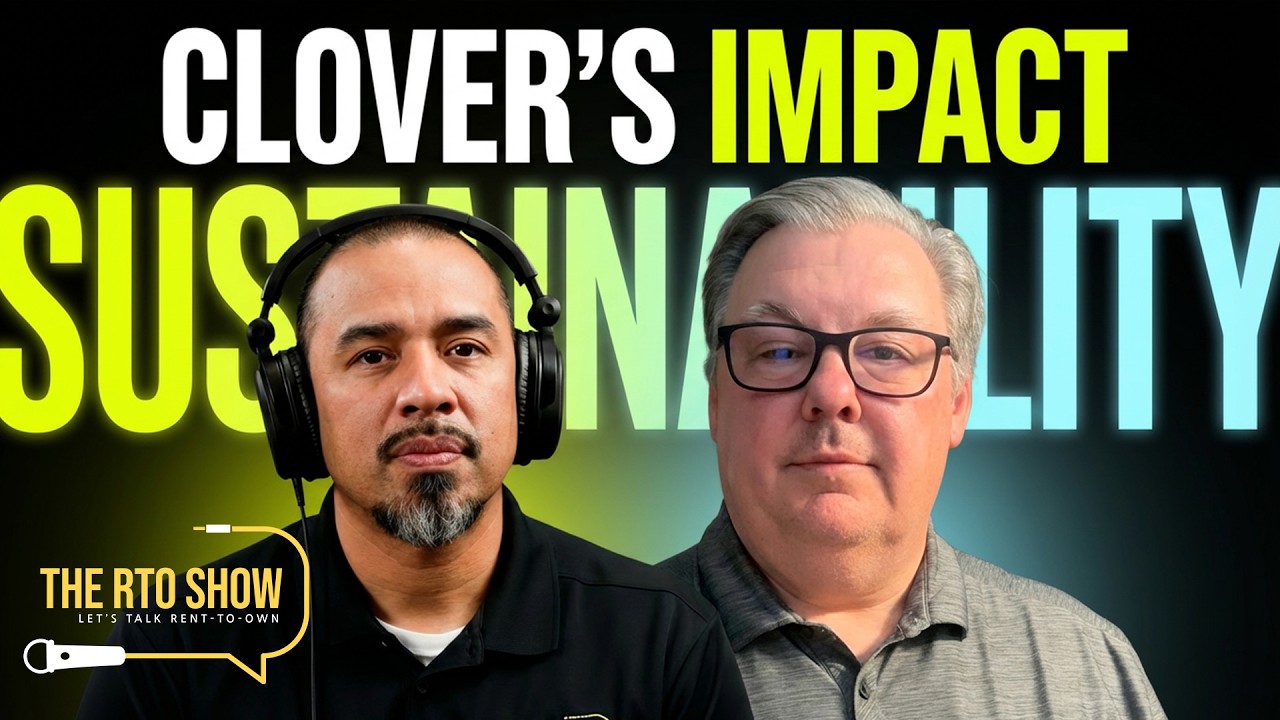
As inventory costs rise and consumers grow more value-conscious, rent-to-own (RTO) dealers are asking sharper questions about sourcing, reliability, and long-term margins. In this episode of The RTO Show Podcast, Pete Shau sits down with APRO member Clover Returns Management Solutions Chief Revenue Officer Paul Adamson to unpack what certified refurbished products really mean for the RTO industry.
Rather than glossing over the concept, Shau presses into the details dealers care about most: failure rates, warranty timelines, supply consistency, and whether refurbished truly performs like new.
Certified Refurbished Products in the RTO Industry
Adamson explains that certified refurbished products are not simply cleaned-up returns. Each unit goes through structured testing protocols, documented engineering standards, parts replacement when necessary, and performance validation before being repackaged and warrantied. In many cases, he notes, refurbished units receive more individual inspection than products coming straight off an assembly line.
For RTO operators, the appeal is clear. Certified refurbished products can offer a cost advantage over new retail pricing. That margin flexibility allows dealers to protect profitability while still delivering recognizable premium brands to customers.
Shau also raises an important operational question: what happens when something fails? Adamson outlines a one-year dealer warranty runway, with 90 days of consumer coverage once the item is rented. He emphasizes that refurbished failure rates often trend lower than new products because defective units are filtered out during the reverse supply chain process.
Still, the conversation remains balanced. Adamson cautions dealers about certain categories, particularly large battery products like e-bikes or portable power stations, where degradation and shipping compliance add complexity. On the opportunity side, he highlights premium countertop appliances, especially coffee and ice makers, as strong candidates for RTO stores seeking aspirational yet accessible inventory.
Another key takeaway is feedback. Shau underscores the value of dealer input from the field, suggesting structured feedback loops to improve product performance over time. That kind of collaboration could strengthen both supplier relationships and long-term inventory strategy.
At its core, the discussion reframes certified refurbished products not as a discount alternative, but as a strategic inventory tool. With proper testing, warranty backing, and distribution partnerships, they can offer dealers flexibility in a pricing-sensitive market while expanding access to trusted brands.
Listen to the full episode of The RTO Show Podcast, proudly sponsored by APRO, on Spotify or watch it on YouTube.