

By: Dan Fisher and Charles Smitherman
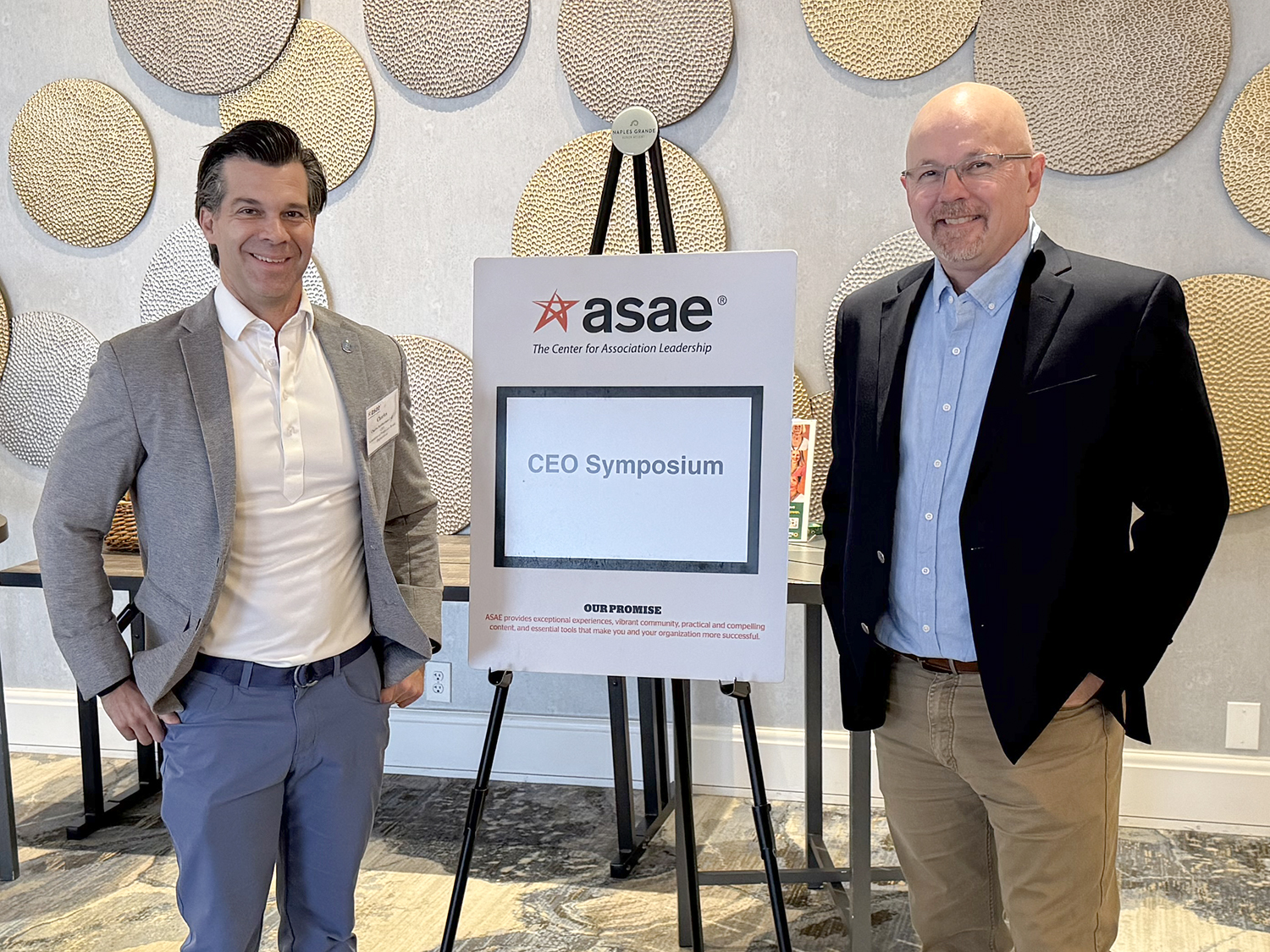
In mid-January, the two of us attended the ASAE (American Society of Association Executives) CEO Symposium together in Naples, Florida. While the event brought together association executives and board leaders from across the country, our reason for being there was very specific and very personal to APRO. We chose to attend together because we share a deep belief that strong associations and APRO’s future effectiveness require intentional leadership, healthy governance, and a true partnership between volunteer leaders and professional staff.
APRO has been around for 45 years. That kind of longevity doesn’t happen by accident. It is the result of leaders who understood their responsibility not only to address the issues of their time, but to build structures and relationships that would endure. Our shared goal is to ensure that APRO continues that legacy and is positioned to serve members just as effectively for the next 45 years as it has for the last.
Our attendance together reflected that commitment.
One of the most consistent themes reinforced throughout the Symposium was that effective associations are grounded in trust and clarity between boards and staff. Strong governance is not about hierarchy or control. It is about partnership, shared responsibility, and a common understanding of roles. When boards and staff are aligned around purpose and process, strategy becomes more than a plan on paper. It becomes a lodestar – a guide for decision-making, prioritization, and impact.
Stepping away from day-to-day responsibilities gave us valuable space to reflect on how APRO is functioning at the leadership level. Those conversations are not always easy to make time for, but they are essential. We had the opportunity to talk candidly about decision-making, our personality and communication styles, and how we support one another in our respective roles. That kind of reflection strengthens working relationships and, ultimately, strengthens the association.
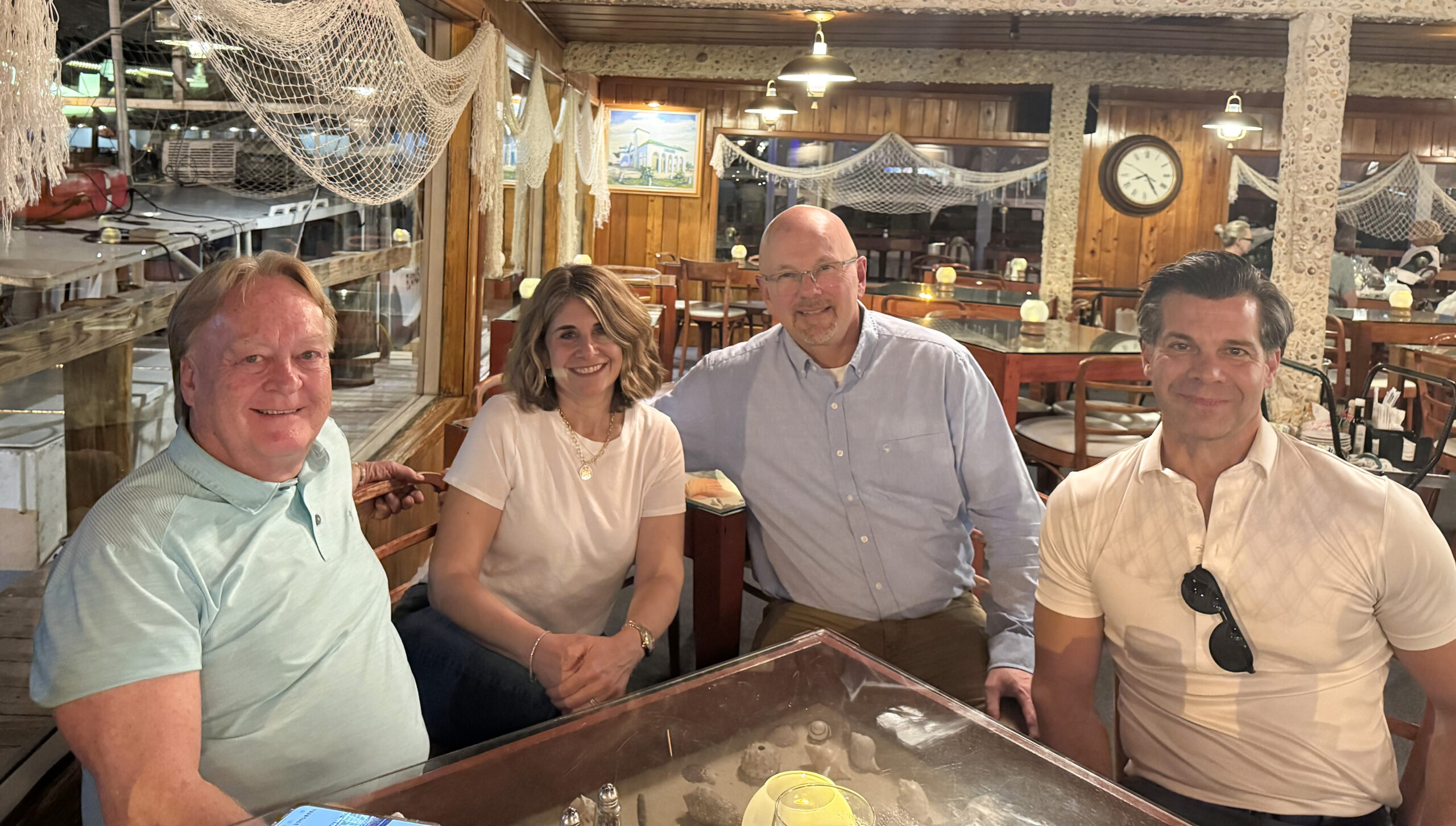
One of the most encouraging outcomes of the experience was the degree of positive reinforcement we received. Many of the governance and operational changes APRO has implemented recently are well aligned with best practices across the association community. The emphasis on clearer strategic priorities and focus, stronger board engagement, more intentional communication, and professionalized operations echoed what we heard repeatedly from peers and facilitators.
That validation matters. It confirms that APRO is moving in the right direction and that the changes already underway are meaningful improvements, not just internal adjustments. At the same time, the experience gave us new ideas and perspectives to continue enhancing our effectiveness and expanding our impact for members. Leadership development is not about arriving at a finish line. It is about continuously refining how we lead. Excellence is not an act, but a habit.
We were also reminded that governance quality is not static but evolving. What worked a decade ago may not be sufficient today, and what works today will need to adapt again tomorrow. Organizations that experience longevity share common characteristics such as curiosity, a hunger for continuous learning and adaptation to change, good financial stewardship, and staying true to the mission. Associations that endure go deeper by regularly investing in how they govern, partner, and prepare leaders for change. That mindset is particularly important as APRO operates in an environment shaped by regulatory complexity, technological change, and shifting needs and expectations from our members, their employees, and the rent-to-own (RTO) customer.
For us, the takeaway was clear: the strength of APRO’s future depends on the strength of its leadership culture. That culture is shaped by how the board and staff collaborate, how openly challenges are discussed, and how intentionally decisions are made. Attending the Symposium together was one tangible way to reinforce that culture in alignment with our strategic plan imitative of leadership empowerment.
Since returning, we have already begun applying what we learned. We are being more deliberate about how strategic conversations are framed at the board level, ensuring time is spent looking forward to the horizon and on the questions that will shape APRO’s long-term direction. We are also continuing to think about leadership development more broadly, recognizing that strong leadership extends beyond titles and is essential at every level of the association.
Most importantly, this experience reaffirmed a shared belief: APRO’s success is a collective responsibility. When the board and staff are aligned, the association is better positioned to serve its members, advocate effectively, and adapt with confidence.
As APRO looks ahead, our commitment to governance, leadership development, and partnership will remain central to our strategic direction. Investing in how we lead today is how we ensure APRO remains strong, relevant, and effective for decades to come – not just for the next year, but for the next 45 years.

